Ever wondered how businesses scale seamlessly while cutting costs? The answer often lies in Azure apps—Microsoft’s cloud-powered solution transforming how we build, deploy, and manage applications. Let’s dive into why they’re a game-changer.





What Are Azure Apps and Why They Matter

Azure apps refer to applications built, hosted, or managed using Microsoft Azure, a comprehensive cloud computing platform. These apps span web apps, mobile backends, APIs, serverless functions, and containerized services, all running on a global network of data centers. With over 70% of Fortune 500 companies using Azure, its impact is undeniable.
Defining Azure Apps in Modern Development
Azure apps aren’t just hosted software—they’re part of an ecosystem designed for agility, scalability, and integration. Whether you’re running a small startup or a multinational enterprise, Azure provides tools to develop, test, deploy, and monitor applications with minimal friction.
- Support for multiple programming languages: .NET, Java, Node.js, Python, PHP, and more.
- Native integration with DevOps tools like Azure DevOps and GitHub Actions.
- Hybrid capabilities allowing apps to run across cloud and on-premises environments.
Microsoft defines Azure apps as “cloud-native or cloud-enabled applications that leverage Azure’s infrastructure and platform services to deliver high availability, security, and performance.” Learn more about Azure App Service.
Evolution from Traditional Hosting to Cloud Apps
Traditional hosting relied on physical servers with fixed capacity, leading to over-provisioning or downtime during traffic spikes. Azure apps eliminate this with dynamic scaling and pay-as-you-go pricing.
- Pre-cloud era: Dedicated servers, high maintenance, limited scalability.
- Early cloud: Virtual machines mimicking physical servers.
- Modern cloud: Azure apps use Platform-as-a-Service (PaaS), abstracting infrastructure management.
“The shift to cloud apps isn’t just technological—it’s cultural. Teams move faster, fail faster, and innovate continuously.” — Satya Nadella, CEO of Microsoft
Core Services Behind Azure Apps
Understanding the backbone of Azure apps means exploring the key services that power them. These services form the foundation of application development, deployment, and management in the Azure ecosystem.
Azure App Service: The Heart of Web Apps
Azure App Service is the go-to platform for building scalable web apps and APIs. It supports both Windows and Linux environments and integrates seamlessly with CI/CD pipelines.
- Automatic scaling based on traffic or schedule.
- Built-in security features like SSL certificates and authentication providers (Google, Facebook, Azure AD).
- Support for custom domains and global distribution via Traffic Manager.
Developers can deploy apps directly from GitHub, Azure Repos, or local machines using FTP or CLI tools. Explore Azure App Service features.
Azure Functions: Serverless Computing Made Simple
Azure Functions enables event-driven, serverless computing. You write code that runs in response to triggers—like HTTP requests, timer events, or messages from queues—without managing servers.
- Pay only for execution time (per millisecond).
- Supports multiple languages including C#, JavaScript, Python, and PowerShell.
- Integrates with Azure Logic Apps, Event Grid, and Service Bus for complex workflows.
This is ideal for microservices, background processing, or integrating third-party APIs without maintaining a full server.
Azure Kubernetes Service (AKS): For Containerized Apps
For teams using Docker and Kubernetes, AKS provides a managed environment to deploy, scale, and manage containerized applications.
- Automated Kubernetes cluster upgrades and health monitoring.
- Integration with Azure Monitor and Azure Active Directory for security.
- Support for hybrid deployments via Azure Arc.
AKS reduces the operational overhead of managing Kubernetes clusters, making it easier to run Azure apps at scale.
Benefits of Using Azure Apps for Businesses
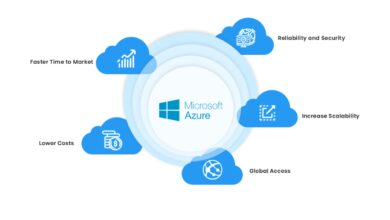
Organizations adopt Azure apps not just for technology’s sake—but for tangible business outcomes. From cost savings to faster time-to-market, the advantages are compelling.
Cost Efficiency and Pay-as-You-Go Model
Unlike traditional IT infrastructure requiring large upfront investments, Azure apps operate on a consumption-based model.
- No need to purchase or maintain physical servers.
- Scale resources up or down based on demand, avoiding over-provisioning.
- Free tier available for learning and small projects.
According to a Forrester study, companies using Azure see a 64% reduction in infrastructure costs over three years.
Global Scalability and High Availability
Azure operates in over 60 regions worldwide, allowing apps to be deployed close to users for low latency.
- Automatic load balancing across regions.
- Disaster recovery options with geo-redundant storage.
- 99.95% uptime SLA for App Service and other core services.
This global reach ensures your Azure apps remain responsive and resilient, even during peak traffic.
Enhanced Security and Compliance
Security is built into Azure’s DNA. Every Azure app benefits from Microsoft’s massive investment in cybersecurity.
- Advanced threat protection with Azure Security Center.
- Compliance with standards like GDPR, HIPAA, ISO 27001, and SOC 2.
- Role-Based Access Control (RBAC) for fine-grained permissions.
Microsoft spends over $1 billion annually on cybersecurity and employs more than 3,500 security experts.
How to Build Your First Azure App
Getting started with Azure apps is easier than you think. Whether you’re a beginner or an experienced developer, Microsoft provides tools and documentation to guide you.
Setting Up Your Azure Account
The first step is creating an Azure account. You can start with a free account that includes $200 in credits and access to over 25 services for 12 months.
- Visit Azure Free Account and sign up with your email.
- Verify your identity with a credit card (no charges unless you upgrade).
- Access the Azure portal at portal.azure.com.
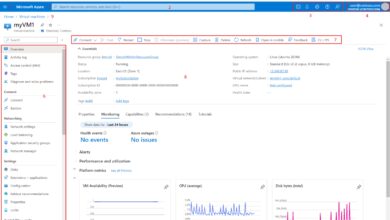
Once logged in, you’ll see the dashboard where you can create and manage all your Azure apps.
Creating a Web App Using Azure App Service
Let’s walk through deploying a simple web app:
- In the Azure portal, click “Create a resource” and search for “App Service”.
- Choose the runtime stack (e.g., .NET, Node.js) and region.
- Configure the app name, subscription, and resource group.
- Click “Review + create”, then “Create”.
- Once deployed, use GitHub integration or FTP to upload your code.
Your app will be live at https://your-app-name.azurewebsites.net.
Deploying Code with GitHub Actions
Automate deployments using GitHub Actions. Azure provides pre-built workflows for seamless integration.
- In your GitHub repository, go to Actions and select “Deploy to Azure Web App”.
- Connect to your Azure subscription using a publish profile.
- Commit changes, and the workflow will automatically deploy to your Azure app.
This CI/CD pipeline ensures that every code update is tested and deployed efficiently.
Integrating Azure Apps with Other Microsoft Services
One of Azure’s biggest strengths is its deep integration with other Microsoft products, enhancing productivity and data flow across platforms.
Synergy with Microsoft 365 and Power Platform
Azure apps can connect directly to Microsoft 365 services like Outlook, Teams, and SharePoint.
- Build custom bots for Microsoft Teams using Azure Bot Service.
- Use Azure Logic Apps to automate workflows between Office 365 and external systems.
- Power BI can pull data from Azure SQL Database for real-time dashboards.
This integration allows businesses to extend Microsoft 365 with custom Azure apps for tailored solutions.
Connecting to Azure Active Directory (AAD)
Azure AD provides identity and access management for Azure apps.
- Enable single sign-on (SSO) for users across apps.
- Implement multi-factor authentication (MFA) for enhanced security.
- Use OAuth 2.0 and OpenID Connect for secure API access.
By integrating Azure AD, your Azure apps become more secure and user-friendly.
Data Integration with Azure SQL and Cosmos DB
Persistent data storage is crucial for any app. Azure offers two primary database options:
- Azure SQL Database: A fully managed relational database compatible with SQL Server. Ideal for transactional apps.
- Azure Cosmos DB: A globally distributed NoSQL database with low latency and high throughput. Perfect for mobile and web apps needing scalability.
Both databases integrate seamlessly with Azure apps, offering backup, monitoring, and automatic tuning.
Monitoring and Managing Azure Apps
Deploying an app is just the beginning. Ongoing monitoring, performance tuning, and troubleshooting are essential for reliability.
Using Azure Monitor for Real-Time Insights
Azure Monitor collects telemetry from your apps, infrastructure, and logs.
- Track metrics like CPU usage, memory, and HTTP response times.
- Set up alerts for anomalies (e.g., high error rates).
- Use Log Analytics to query logs and diagnose issues.
With Application Insights (part of Azure Monitor), you can track user behavior, exceptions, and performance bottlenecks in real time.
Application Insights: Deep Dive into App Performance
Application Insights is a powerful tool for understanding how your Azure apps perform in production.
- Map dependencies between services to identify slow components.
- Monitor page load times and AJAX calls for web apps.
- Track custom events and metrics defined in your code.
For example, if a database query is slowing down your app, Application Insights will highlight it in the dependency map.
Automating Management with Azure Automation
Reduce manual tasks by automating routine operations.
- Schedule start/stop times for non-production apps to save costs.
- Automate patching and configuration management.
- Use runbooks to respond to incidents automatically.
This ensures consistency and frees up IT teams for higher-value work.
Future Trends Shaping Azure Apps
The landscape of cloud computing is evolving rapidly. Azure apps are at the forefront of several emerging trends that will define the next decade of software development.
AI-Powered Development with Azure OpenAI and Copilot
Microsoft is integrating AI deeply into Azure development tools.
- Azure OpenAI Service allows developers to embed models like GPT-4 into their apps.
- GitHub Copilot suggests code in real time, boosting developer productivity.
- AI-driven testing and optimization tools are becoming standard.
Soon, building Azure apps may involve describing functionality in plain English and letting AI generate the code.
Edge Computing and IoT Integration
As IoT devices multiply, processing data closer to the source (the edge) becomes critical.
- Azure IoT Hub manages millions of devices securely.
- Azure Edge Zones bring cloud services to the network edge.
- Apps can process sensor data locally and send only insights to the cloud.
This reduces latency and bandwidth usage, ideal for manufacturing, healthcare, and smart cities.
Sustainability and Green Cloud Computing
Microsoft is committed to being carbon negative by 2030. Azure apps contribute by optimizing energy use.
- Efficient data centers powered by renewable energy.
- Tools to measure the carbon footprint of your apps.
- Right-sizing recommendations to reduce resource waste.
Choosing Azure apps isn’t just smart—it’s sustainable.
What are Azure apps?
Azure apps are applications built, hosted, or managed on Microsoft Azure’s cloud platform. They include web apps, mobile backends, APIs, serverless functions, and containerized services, leveraging Azure’s global infrastructure for scalability, security, and performance.
How much does it cost to run an Azure app?
Costs vary based on usage. Azure offers a free tier with $200 credit for 12 months. After that, pricing is pay-as-you-go—e.g., App Service starts at around $13/month for basic plans. You only pay for the resources you consume.
Can I deploy a custom domain to my Azure app?
Yes. You can map a custom domain (like www.yourcompany.com) to your Azure app through the Azure portal. You’ll need to verify domain ownership and configure DNS settings with your registrar.
Is Azure better than AWS for apps?
It depends on your needs. Azure excels in integration with Microsoft products, hybrid cloud, and enterprise support. AWS has a broader service catalog. Many enterprises use both (multi-cloud) for flexibility.
How do I secure my Azure app?
Use Azure Security Center, enable Azure AD authentication, apply RBAC, encrypt data at rest and in transit, and regularly update dependencies. Also, follow the Azure Well-Architected Framework for best practices.
From startups to global enterprises, Azure apps are redefining how software is built and delivered. With powerful services like App Service, Functions, and AKS, deep integration with Microsoft 365, and AI-driven innovation, Azure offers a robust platform for modern application development. Combined with cost efficiency, global scalability, and strong security, it’s no wonder Azure is a top choice for developers and businesses alike. As cloud computing evolves, Azure apps will continue to lead with sustainability, edge computing, and intelligent automation—making them not just a tool, but a strategic advantage.
Further Reading: