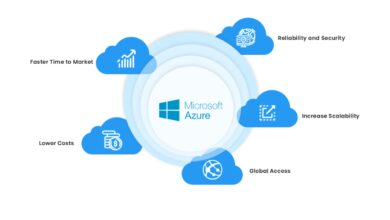
Managing cloud costs doesn’t have to feel like navigating a maze blindfolded. With the Azure Cost Calculator, you gain full visibility and control over your Microsoft Azure spending—before you even deploy a single resource. This powerful tool empowers businesses, developers, and IT leaders to forecast, optimize, and plan their cloud budgets with precision and confidence.





What Is the Azure Cost Calculator and Why It Matters

The Azure Cost Calculator is an essential online tool provided by Microsoft that allows users to estimate the cost of Azure services before committing to any deployment. Whether you’re planning a small development environment or a large-scale enterprise migration, this calculator gives you a clear, itemized projection of your potential monthly or annual cloud expenses.
How the Azure Cost Calculator Works
At its core, the Azure Cost Calculator operates on a simple yet powerful principle: you select the Azure services you plan to use, configure them according to your expected usage, and the tool instantly generates a cost estimate. It supports a wide range of services, including virtual machines, storage, networking, databases, AI, and more.
- Users can add multiple services to a single estimate.
- Configurations include region, instance size, usage hours, and data transfer volume.
- Estimates can be exported to Excel or shared via a link.
This flexibility makes it ideal for both technical teams and financial stakeholders who need accurate forecasting.
Key Differences Between Azure Cost Calculator and Total Cost of Ownership (TCO) Tool
While both tools help estimate cloud costs, they serve different purposes. The Azure TCO Calculator compares on-premises infrastructure costs with moving to Azure, focusing on long-term savings. In contrast, the Azure Cost Calculator is service-specific and usage-driven, offering granular cost modeling for actual Azure deployments.
“The Azure Cost Calculator is not just a pricing tool—it’s a strategic planning asset.” — Microsoft Azure Documentation
Understanding this distinction ensures you use the right tool at the right stage of your cloud journey.
7 Powerful Features of the Azure Cost Calculator
The Azure Cost Calculator isn’t just a basic estimator—it’s packed with intelligent features designed to give you deep financial insights. Let’s explore seven of its most powerful capabilities that set it apart from generic pricing tools.
1. Real-Time Cost Estimation with Dynamic Updates
One of the standout features of the Azure Cost Calculator is its real-time calculation engine. As you adjust configurations—like changing a VM size or increasing storage capacity—the total cost updates instantly. This dynamic feedback loop allows for rapid scenario testing.
- Immediate visual feedback on cost changes.
- Ability to compare multiple configurations side-by-side.
- Supports both pay-as-you-go and reserved instance pricing models.
This responsiveness is crucial for teams iterating on architecture designs and need quick financial validation.
2. Comprehensive Service Coverage Across Azure Ecosystem
The calculator includes nearly every major service in the Azure portfolio. From compute and storage to advanced services like Azure Kubernetes Service (AKS), Cognitive Services, and Azure Synapse Analytics, the tool ensures no cost is overlooked.
- Compute: Virtual Machines, App Services, Functions, Batch.
- Storage: Blob, Disk, File, Archive, Data Lake.
- Networking: Load Balancers, VPN Gateways, ExpressRoute.
- Database: SQL Database, Cosmos DB, MySQL, PostgreSQL.
- AI & Machine Learning: Azure AI Services, Machine Learning Studio.
This breadth makes the Azure Cost Calculator a one-stop solution for end-to-end cost planning.
3. Flexible Pricing Models: Pay-As-You-Go vs. Reserved Instances
The calculator allows users to model costs under different pricing models, helping identify the most cost-effective option. For example, you can compare the monthly cost of a VM on a pay-as-you-go basis versus a 1-year or 3-year reserved instance, which can offer up to 72% savings.
- Pay-as-you-go: Ideal for variable or unpredictable workloads.
- Reserved Instances: Best for stable, long-running workloads.
- Savings Plans: Flexible commitment for compute usage across services.
By modeling these options, businesses can make informed decisions that align with their usage patterns and financial goals.
4. Multi-Region and Global Deployment Support
Cloud deployments are rarely limited to a single region. The Azure Cost Calculator supports multi-region configurations, allowing you to estimate costs for global applications. You can add services in different geographic locations—such as East US, West Europe, or Southeast Asia—and see how regional pricing differences impact your total bill.
- Regional pricing variations are automatically applied.
- Data transfer costs between regions are included.
- Compliance and data residency requirements can be factored in.
This is especially valuable for multinational companies planning hybrid or multi-cloud strategies.
5. Customizable Usage Scenarios and Workload Profiles
The tool lets you define custom usage patterns, such as part-time development environments, burstable production workloads, or seasonal traffic spikes. You can specify usage hours per day, days per week, and even monthly data transfer volumes.
- Set VMs to run only during business hours to reduce costs.
- Model backup and disaster recovery scenarios with geo-replicated storage.
- Estimate egress costs for content delivery networks (CDNs).
This level of customization ensures your estimates reflect real-world operational behavior, not just theoretical maximums.
6. Export, Share, and Collaborate on Cost Estimates
Once you’ve built your cost model, the Azure Cost Calculator allows you to export it as a CSV or Excel file for further analysis. You can also generate a shareable link to collaborate with team members, stakeholders, or clients.
- Export includes detailed line items and pricing breakdowns.
- Shareable links can be password-protected for security.
- Perfect for inclusion in proposals, budget reviews, or RFP responses.
This collaborative functionality bridges the gap between technical teams and financial decision-makers.
7. Integration with Azure Pricing APIs and Third-Party Tools
For organizations building custom cost management solutions, the Azure Cost Calculator leverages publicly available pricing data through the Azure Pricing API. This enables automation, integration with internal billing systems, and real-time cost modeling within DevOps pipelines.
- Developers can build custom cost estimators using Azure SDKs.
- Finance teams can pull pricing data into ERP or CRM systems.
- Managed service providers can offer tailored cost proposals to clients.
This extensibility makes the Azure Cost Calculator not just a standalone tool, but a foundational component of a broader cost governance strategy.
Step-by-Step Guide to Using the Azure Cost Calculator
Using the Azure Cost Calculator is straightforward, but mastering it requires understanding its full capabilities. Follow this step-by-step guide to create accurate and actionable cost estimates.
Step 1: Access the Azure Cost Calculator
Visit https://azure.microsoft.com/en-us/pricing/calculator/ to open the tool. No login is required to start building estimates, though signing in with a Microsoft account allows you to save and manage your projects.
- The interface is clean and intuitive, with a search bar and categorized service list.
- You can start with a blank estimate or choose from popular templates (e.g., Web App, AI Solution).
Step 2: Add and Configure Azure Services
Click “Add” to begin selecting services. For example, to estimate a web application:
- Add a Virtual Machine (e.g., B2s v2 in East US).
- Configure size, OS, and usage (e.g., 24/7 or 8 hours/day).
- Add Azure SQL Database with 10 DTUs and 250 GB storage.
- Include Blob Storage for backups and a Public IP address.
Each service added appears in the summary panel with its estimated monthly cost.
Step 3: Refine and Optimize Your Estimate
Now that you have a baseline, refine it for accuracy:
- Adjust instance sizes based on performance requirements.
- Switch to reserved instances for long-running VMs.
- Enable auto-shutdown for non-production environments.
- Compare regions to find the most cost-effective location.
The goal is to create a realistic, optimized model—not just a worst-case scenario.
Step 4: Export and Share Your Estimate
Once satisfied, click “Export” to download the estimate as a CSV or Excel file. Alternatively, click “Share” to generate a link. This is useful for:
- Presenting to management for budget approval.
- Collaborating with cloud architects or DevOps teams.
- Submitting cost details in client proposals or RFPs.
Always review the exported data for clarity and completeness before sharing.
Common Mistakes to Avoid When Using the Azure Cost Calculator
Even experienced users can make errors that lead to inaccurate estimates. Avoiding these common pitfalls ensures your cost projections are reliable and actionable.
Mistake 1: Ignoring Data Transfer and Egress Costs
One of the most overlooked cost components is data egress—the transfer of data out of Azure. While inbound data is free, outbound data (especially to the internet or other regions) can add up quickly.
- Egress costs vary by destination region and volume.
- CDN usage can reduce egress fees.
- Always model worst-case egress scenarios for public-facing apps.
Failure to account for this can result in surprise charges post-deployment.
Mistake 2: Over-Provisioning Resources
It’s tempting to choose larger VMs or more storage “just to be safe.” However, over-provisioning leads to unnecessary spending. Use the calculator to test smaller configurations and scale up only if needed.
- Start with burstable B-series VMs for dev/test environments.
- Use Azure Monitor post-deployment to right-size resources.
- Consider serverless options like Azure Functions for event-driven workloads.
The calculator helps you visualize the cost impact of over-provisioning before it happens.
Mistake 3: Forgetting Reserved Instances and Savings Plans
Many users stick to pay-as-you-go pricing without exploring savings opportunities. The Azure Cost Calculator allows you to toggle between pricing models, revealing potential savings of up to 72% with reservations.
- Reserve VMs, SQL Database, and Cosmos DB for 1 or 3 years.
- Savings Plans offer flexibility across compute services.
- Use the calculator to compare total cost over 12 or 36 months.
Always model reserved pricing for stable workloads to maximize ROI.
How the Azure Cost Calculator Compares to Other Cloud Pricing Tools
While AWS and Google Cloud offer similar tools, the Azure Cost Calculator stands out in several ways. Understanding these differences helps you evaluate its competitive edge.
Azure vs. AWS Pricing Calculator
The AWS Pricing Calculator is robust but often criticized for its complexity. Azure’s interface is generally considered more intuitive, with better organization and faster load times. Additionally, Azure’s calculator includes more AI and hybrid cloud services by default.
- Azure offers clearer regional pricing comparisons.
- AWS requires more manual input for networking and data transfer.
- Azure integrates better with Microsoft 365 and on-premises environments.
Azure vs. Google Cloud Pricing Calculator
Google Cloud’s pricing tool is clean and modern but lacks some advanced features like reserved instance comparisons within the interface. Azure provides more detailed breakdowns and better support for enterprise licensing models (e.g., EA, CSP).
- Azure includes hybrid benefit discounts (e.g., SQL Server with existing licenses).
- Google Cloud emphasizes sustained use discounts, which aren’t directly modeled in their calculator.
- Azure’s export functionality is more comprehensive.
Why Azure’s Calculator Is Ideal for Enterprises
For large organizations, the Azure Cost Calculator’s integration with Enterprise Agreements (EA) and Azure Cost Management + Billing makes it a strategic tool. It supports complex licensing scenarios, hybrid deployments, and multi-account structures—features often missing in competitors’ tools.
- Direct alignment with Azure Cost Management dashboards.
- Support for showback and chargeback models.
- Seamless transition from estimate to actual billing.
This enterprise-grade functionality makes it a top choice for CIOs and cloud financial officers.
Advanced Tips for Maximizing the Azure Cost Calculator
Once you’ve mastered the basics, leverage these advanced techniques to get even more value from the Azure Cost Calculator.
Use Templates for Common Architectures
Microsoft provides pre-built templates for common scenarios like web apps, data lakes, and AI pipelines. These templates include best-practice configurations and can be customized to fit your needs.
- Saves time on repetitive estimate creation.
- Ensures consistency across teams.
- Great for training new cloud engineers.
Explore the template library to jumpstart your planning.
Model Cost Over Time with Different Growth Scenarios
Instead of a static estimate, create multiple versions of your model to reflect different growth trajectories—conservative, moderate, and aggressive. This helps forecast budget needs over 6, 12, or 24 months.
- Adjust VM count, storage, and bandwidth over time.
- Simulate user growth or seasonal demand spikes.
- Use these models for long-term financial planning.
Integrate with Azure Advisor for Optimization Recommendations
After deployment, use Azure Advisor to get personalized cost-saving recommendations. Compare these to your original estimate to measure accuracy and identify optimization opportunities.
- Advisor may recommend resizing underutilized VMs.
- It can identify idle resources to delete.
- Use findings to refine future estimates in the Azure Cost Calculator.
This closed-loop process improves cost governance over time.
Real-World Use Cases of the Azure Cost Calculator
The true power of the Azure Cost Calculator shines in real-world applications. Here are three scenarios where it made a significant impact.
Case Study 1: Migrating an On-Premises ERP System to Azure
A manufacturing company planned to migrate its legacy ERP system to Azure IaaS. Using the calculator, they modeled VMs, SQL Server instances, and backup storage across two regions. By comparing pay-as-you-go vs. reserved pricing, they saved $42,000 annually by committing to 3-year reservations.
- Used hybrid benefit to apply existing SQL Server licenses.
- Factored in ExpressRoute for secure connectivity.
- Presented the estimate to CFO for budget approval.
Case Study 2: Launching a Global E-Commerce Platform
A retail brand launching a new e-commerce site used the calculator to estimate costs across four regions. They included App Services, Azure CDN, Cosmos DB, and DDoS protection. By modeling peak holiday traffic, they avoided over-provisioning and optimized CDN usage, reducing egress costs by 35%.
- Tested multiple CDN and caching strategies.
- Compared East US vs. West Europe for primary region.
- Shared the estimate with their digital agency for alignment.
Case Study 3: Building a Serverless Data Analytics Pipeline
A fintech startup built a serverless pipeline using Azure Functions, Event Hubs, and Synapse Analytics. The calculator helped them estimate costs based on message volume and processing frequency. They discovered that a serverless model was 60% cheaper than running always-on VMs.
- Modeled per-execution and per-gigabyte costs.
- Compared with traditional ETL infrastructure.
- Used the estimate to secure investor funding.
Future of Cloud Cost Management: What’s Next for the Azure Cost Calculator?
As cloud environments grow more complex, cost management tools must evolve. Microsoft is continuously enhancing the Azure Cost Calculator with AI-driven insights, predictive analytics, and deeper integration with Azure Cost Management.
AI-Powered Cost Forecasting
Future versions may include machine learning models that predict cost trends based on historical usage, seasonal patterns, and workload behavior. This would allow proactive budget adjustments before overspending occurs.
Automated Optimization Suggestions
Imagine the calculator not just estimating costs, but also recommending the most cost-efficient configurations—like suggesting a switch to Azure Spot VMs or advising on storage tiering.
Integration with DevOps and CI/CD Pipelines
Developers could receive cost impact warnings during pull requests, ensuring cost-aware development. The calculator’s API could be embedded into deployment workflows to enforce budget guardrails.
How accurate is the Azure Cost Calculator?
The Azure Cost Calculator provides highly accurate estimates based on current Azure pricing. However, actual costs may vary due to usage fluctuations, unplanned egress, or changes in service pricing. It’s best used as a planning tool, not a billing guarantee.
Can I save my estimates in the Azure Cost Calculator?
Yes, if you sign in with a Microsoft account, you can save, edit, and manage multiple estimates. This is useful for tracking different project scenarios over time.
Does the Azure Cost Calculator include taxes and support fees?
No, the calculator shows pre-tax estimates and excludes support plan fees. You must add these separately based on your region and support level.
Can I use the Azure Cost Calculator for hybrid cloud scenarios?
Absolutely. The tool supports Azure Stack, ExpressRoute, and Azure Arc configurations, making it ideal for estimating hybrid and on-premises-integrated deployments.
Is the Azure Cost Calculator free to use?
Yes, the Azure Cost Calculator is completely free. No Azure subscription or payment is required to access or use the tool.
The Azure Cost Calculator is more than just a number-crunching tool—it’s a strategic asset for anyone planning, deploying, or managing Azure resources. From startups to enterprises, its ability to provide accurate, customizable, and shareable cost estimates makes it indispensable in today’s cloud-first world. By mastering its features, avoiding common pitfalls, and applying real-world insights, you can take full control of your cloud spending and drive smarter financial decisions. Whether you’re estimating a simple web app or a global AI platform, the Azure Cost Calculator empowers you to build better, faster, and more cost-effectively.
Recommended for you 👇
Further Reading: