Want to supercharge your development process? Azure and DevOps together offer a game-changing combo that’s reshaping how teams build, test, and deploy software—faster, smarter, and more reliably than ever before.
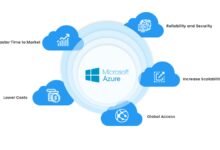
Understanding Azure and DevOps: A Modern Development Powerhouse

The fusion of Azure and DevOps represents a paradigm shift in software delivery. Microsoft Azure, a leading cloud computing platform, provides the infrastructure, services, and scalability needed for modern applications. Meanwhile, Azure DevOps—the dedicated suite for development operations—offers tools for planning, coding, testing, and deploying software seamlessly. Together, they form an integrated ecosystem that accelerates delivery while maintaining quality and security.
What Is Azure?
Azure is Microsoft’s comprehensive cloud platform, offering over 200 services including computing, storage, networking, databases, AI, and IoT. It supports multiple operating systems, programming languages, and frameworks, making it a flexible choice for enterprises and startups alike. With data centers in over 60 regions globally, Azure ensures low-latency access and compliance with international standards like GDPR and HIPAA.
- Compute services: Virtual Machines, Azure Kubernetes Service (AKS), App Services
- Storage solutions: Blob, Disk, and Queue storage
- Security and identity: Azure Active Directory, Key Vault, and Defender for Cloud
For developers, Azure provides a reliable, scalable, and secure foundation to host applications, process data, and leverage AI capabilities. Its pay-as-you-go model reduces upfront costs and allows organizations to scale resources dynamically based on demand.
What Is Azure DevOps?
Azure DevOps is a suite of development tools designed to support the entire software development lifecycle (SDLC). It includes five core components: Azure Boards for agile project management, Azure Repos for source control, Azure Pipelines for CI/CD, Azure Test Plans for manual and automated testing, and Azure Artifacts for package management.
- Supports both Git and Team Foundation Version Control (TFVC)
- Enables integration with third-party tools like Jira, GitHub, and Jenkins
- Offers customizable dashboards and reporting for team transparency
Unlike standalone tools, Azure DevOps is built for collaboration. It connects developers, testers, operations teams, and stakeholders in a unified environment, reducing silos and improving communication. This integration is crucial for implementing DevOps practices effectively.
“Azure DevOps isn’t just a toolset—it’s a culture enabler that fosters continuous improvement and faster time-to-market.” — Microsoft Developer Blog
Why Azure and DevOps Are a Perfect Match
The synergy between Azure and DevOps is not coincidental—it’s intentional. Microsoft designed Azure DevOps to work natively with Azure, enabling seamless deployment, monitoring, and scaling of cloud-native applications. This tight integration reduces configuration overhead and accelerates delivery cycles.
Native Integration and Unified Ecosystem
One of the biggest advantages of using Azure and DevOps together is the native integration across services. For example, Azure Pipelines can directly deploy applications to Azure App Services, AKS, or Virtual Machines without requiring complex configurations. Service connections in Azure DevOps allow secure authentication with Azure subscriptions, enabling automated deployments with minimal manual intervention.
- Automatic service principal creation for secure access
- Pre-built deployment tasks for Azure services
- Real-time monitoring and logging via Azure Monitor and Application Insights
This native connectivity eliminates the need for third-party plugins or custom scripts in most scenarios, reducing errors and improving reliability. Teams can focus on writing code rather than managing infrastructure glue.
Scalability and Elasticity
Azure’s cloud infrastructure provides unmatched scalability, which complements the continuous delivery model promoted by DevOps. When a new feature is pushed through an Azure Pipeline, it can be automatically deployed to a staging environment, tested, and then scaled across production instances based on traffic demand.
- Auto-scaling groups adjust compute resources during peak loads
- Blue-green and canary deployments reduce downtime and risk
- Serverless options like Azure Functions enable event-driven scaling
This elasticity ensures that applications remain responsive under varying loads, a critical requirement for modern web and mobile services. Combined with DevOps automation, it allows organizations to respond to market changes in real time.
Core Components of Azure DevOps in Action
To fully leverage Azure and DevOps, it’s essential to understand how each component of Azure DevOps contributes to the development workflow. These tools are not just isolated utilities—they are interconnected pieces of a larger automation and collaboration engine.
Azure Boards: Agile Project Management Made Easy
Azure Boards provides a flexible platform for managing work items using Scrum, Kanban, or custom workflows. Teams can create user stories, tasks, bugs, and epics, assign them to sprints, and track progress through visual dashboards.
- Customizable backlogs and boards for different team needs
- Integration with Power BI for advanced reporting
- REST API access for automation and external integrations
By linking work items to code commits and builds, Azure Boards creates traceability across the SDLC. For example, a developer can associate a pull request with a specific user story, allowing stakeholders to see exactly which features were delivered in a release.
Azure Repos: Secure and Scalable Source Control
Azure Repos offers unlimited private Git repositories with advanced branching strategies, pull request workflows, and code review tools. It supports large binaries through Git LFS and integrates with popular IDEs like Visual Studio and VS Code.
- Branch policies enforce code quality and compliance
- Automated builds triggered by pull requests
- Role-based access control (RBAC) for repository security
With Azure Repos, teams can maintain a clean, auditable codebase. The integration with Azure Pipelines ensures that every change is automatically tested, reducing the risk of introducing bugs into production.
Azure Pipelines: CI/CD Automation at Scale
Azure Pipelines is the backbone of continuous integration and continuous delivery in the Azure and DevOps ecosystem. It supports multi-platform builds (Windows, Linux, macOS) and can deploy to any cloud or on-premises environment.
- YAML-based pipelines for version-controlled CI/CD configurations
- Parallel jobs and self-hosted agents for faster execution
- Deployment gates, approvals, and pre-deployment conditions for governance
Whether you’re deploying a .NET application to Azure App Service or a containerized microservice to AKS, Azure Pipelines handles it with ease. Its ability to integrate with GitHub, Bitbucket, and external CI systems makes it a versatile choice for hybrid environments.
“With Azure Pipelines, we reduced our deployment time from 4 hours to under 15 minutes.” — Senior DevOps Engineer, TechCorp Inc.
Implementing CI/CD with Azure and DevOps
Continuous Integration and Continuous Delivery (CI/CD) are at the heart of modern DevOps practices. Azure and DevOps provide a robust framework for implementing CI/CD pipelines that automate testing, validation, and deployment processes.
Setting Up a Basic CI Pipeline
A CI pipeline ensures that every code commit is automatically built and tested. In Azure DevOps, this starts with creating a YAML file in your repository that defines the pipeline stages.
- Trigger the pipeline on every push to the main branch
- Restore dependencies, compile code, and run unit tests
- Publish test results and code coverage reports
For example, a .NET Core application can use the following YAML snippet:
trigger:
  - main

pool:
  vmImage: 'ubuntu-latest'

steps:
- task: DotNetCoreCLI@2
  inputs:
    command: 'build'
- task: DotNetCoreCLI@2
  inputs:
    command: 'test'
This simple pipeline runs on every commit, ensuring that broken code is caught early. Integration with Azure Test Plans allows deeper test automation, including UI and performance tests.
Configuring a CD Pipeline for Production
A CD pipeline automates the deployment of validated builds to production environments. In Azure DevOps, this is achieved using multi-stage pipelines with approval gates and environment-specific configurations.
- Deploy to staging first for final validation
- Use deployment strategies like rolling updates or blue-green
- Require manual approvals before production release
For instance, you can define a stage in your YAML pipeline like this:
- stage: Production
  displayName: Deploy to Production
  dependsOn: Staging
  condition: succeeded()
  jobs:
  - deployment: DeployJob
    environment: 'Production'
    strategy:
      runOnce:
        deploy:
          steps:
          - task: AzureRmWebAppDeployment@4
            inputs:
              ConnectionType: 'AzureRM'
              WebAppName: 'my-prod-app'
              Package: '$(System.DefaultWorkingDirectory)/**/*.zip'
This ensures that only approved, tested builds reach production, minimizing the risk of outages.
Infrastructure as Code (IaC) with Azure and DevOps
Infrastructure as Code (IaC) is a key DevOps practice that treats infrastructure provisioning and configuration as software. With Azure and DevOps, teams can automate the creation of virtual networks, databases, and entire application stacks using declarative templates.
Using ARM Templates for Azure Resource Management
Azure Resource Manager (ARM) templates are JSON-based definitions that describe Azure resources and their dependencies. They allow teams to deploy consistent environments across development, testing, and production.
- Version-controlled infrastructure for auditability
- Parameterized templates for reusability
- Idempotent deployments that avoid configuration drift
By storing ARM templates in Azure Repos and triggering deployments via Azure Pipelines, teams achieve full automation from code to cloud. This approach eliminates manual setup errors and ensures compliance with organizational standards.
Leveraging Terraform with Azure DevOps
While ARM templates are native to Azure, many organizations prefer Terraform for its multi-cloud capabilities. Azure DevOps supports Terraform through task extensions and agent-based execution.
- Use Terraform init, plan, and apply in pipeline stages
- Store state files securely in Azure Blob Storage
- Integrate with Azure Key Vault for sensitive variables
Terraform’s declarative syntax and provider model make it ideal for managing complex infrastructures. When combined with Azure DevOps pipelines, it enables secure, auditable, and repeatable deployments.
“We manage over 200 Azure resources using Terraform—all deployed through Azure Pipelines with zero manual intervention.” — Cloud Architect, FinTech Solutions
Security and Compliance in Azure and DevOps
Security is not an afterthought in DevOps—it’s embedded throughout the pipeline. Azure and DevOps provide built-in tools and practices to ensure that applications and infrastructure meet security and compliance standards.
Securing the CI/CD Pipeline
The CI/CD pipeline itself must be protected from unauthorized access and malicious changes. Azure DevOps offers several security mechanisms:
- Role-Based Access Control (RBAC) for pipelines and repositories
- Approval gates and pre-deployment checks
- Audit logs for tracking user activity and changes
Additionally, secrets like API keys and passwords should never be hardcoded. Instead, use Azure Key Vault integrated with Azure Pipelines to securely retrieve credentials during deployment.
Enforcing Compliance with Policy as Code
Policy as Code ensures that infrastructure and applications comply with organizational and regulatory requirements. Azure Policy and Open Policy Agent (OPA) can be used to define rules that are automatically enforced during deployment.
- Block non-compliant resource types (e.g., public storage accounts)
- Enforce tagging standards for cost management
- Validate container images for vulnerabilities before deployment
By integrating policy checks into Azure Pipelines, teams can prevent configuration drift and maintain compliance at scale.
Monitoring and Feedback Loops in Azure DevOps
Effective DevOps practices rely on continuous feedback. Azure and DevOps provide robust monitoring, logging, and alerting capabilities to ensure that applications perform as expected after deployment.
Integrating Azure Monitor and Application Insights
Azure Monitor collects telemetry from applications and infrastructure, while Application Insights provides deep insights into application performance and user behavior.
- Track request rates, response times, and failure rates
- Set up alerts for anomalies or threshold breaches
- Correlate logs with deployment events to identify regressions
By linking Application Insights to Azure DevOps, teams can view deployment markers directly in performance charts, making it easier to pinpoint the root cause of issues.
Using Feedback for Continuous Improvement
DevOps is not just about automation—it’s about learning and improving. Azure DevOps supports feedback loops through:
- User feedback collected via Azure Boards
- Operational metrics from Azure Monitor
- Post-deployment reviews and retrospectives
This data-driven approach enables teams to refine their processes, improve code quality, and deliver better user experiences over time.
Real-World Use Cases of Azure and DevOps
Organizations across industries are leveraging Azure and DevOps to transform their software delivery. Here are three real-world examples that highlight the power of this combination.
Case Study: Global Retailer Modernizes E-Commerce Platform
A multinational retailer migrated its legacy e-commerce system to Azure using microservices and containers. By implementing Azure DevOps pipelines, they achieved:
- Deployment frequency increased from once per month to multiple times per day
- Mean time to recovery (MTTR) reduced from 4 hours to under 15 minutes
- 99.99% uptime during peak shopping seasons
The use of AKS, Azure Pipelines, and Application Insights enabled seamless scaling and real-time issue detection.
Case Study: Healthcare Provider Ensures HIPAA Compliance
A healthcare organization needed to build a secure patient portal compliant with HIPAA. Using Azure DevOps, they implemented:
- Automated security scans in CI/CD pipelines
- Infrastructure as Code with ARM templates
- Audit trails for all code and deployment changes
This ensured that every release met regulatory requirements without slowing down development.
Case Study: Fintech Startup Scales Rapidly
A fintech startup used Azure and DevOps to launch and scale its mobile banking app. Key benefits included:
- Zero-downtime deployments using blue-green strategy
- Automated testing across 10+ device configurations
- Real-time fraud detection using Azure AI services
The agility provided by Azure and DevOps allowed them to respond quickly to market demands and customer feedback.
What is the difference between Azure and Azure DevOps?
Azure is a cloud computing platform that provides infrastructure and services like virtual machines, databases, and AI tools. Azure DevOps is a suite of development tools for managing the software development lifecycle, including CI/CD, source control, and project management. While Azure hosts applications, Azure DevOps helps build and deploy them.
Can Azure DevOps deploy to non-Azure environments?
Yes, Azure DevOps can deploy to any environment, including AWS, Google Cloud, on-premises servers, and Kubernetes clusters. Its flexibility makes it suitable for hybrid and multi-cloud architectures.
Is Azure DevOps free to use?
Azure DevOps offers a free tier with limited users and minutes for CI/CD pipelines. Paid plans are available for larger teams and higher usage. The free tier is ideal for small projects and learning purposes.
How does Azure Pipelines support multi-platform builds?
Azure Pipelines supports Windows, Linux, and macOS agents, allowing builds to run on different operating systems. You can use Microsoft-hosted agents or set up self-hosted agents for custom requirements.
What is the best way to learn Azure and DevOps?
Microsoft Learn offers free, interactive modules on Azure and DevOps. Additionally, hands-on practice using Azure DevOps projects, GitHub integration, and real-world scenarios accelerates learning. Certifications like AZ-400 (Designing and Implementing Microsoft DevOps Solutions) are also highly recommended.
The integration of Azure and DevOps is more than just a technical upgrade—it’s a strategic advantage. By combining Azure’s scalable cloud infrastructure with DevOps’ automation and collaboration tools, organizations can achieve faster delivery, higher quality, and greater resilience. Whether you’re a startup or an enterprise, embracing Azure and DevOps empowers you to innovate with confidence and speed.
Further Reading:
