Accessing the Azure login portal doesn’t have to be complicated. Whether you’re a developer, IT admin, or business owner, mastering secure and efficient login processes is essential for managing cloud resources effectively and safely.





Understanding the Azure Login Portal

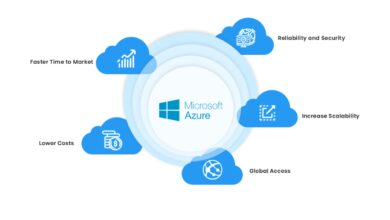
The Azure login portal is the primary gateway to Microsoft Azure’s vast ecosystem of cloud services. It allows users to manage virtual machines, storage, networking, security, and more—all from a centralized web interface. Accessing this portal securely is the first step in leveraging Azure’s full potential.
What Is the Azure Login Portal?
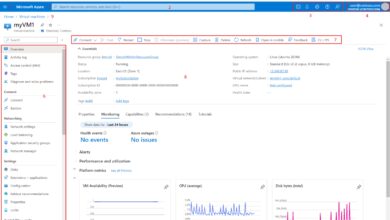
The Azure login portal, commonly known as the Azure portal, is a web-based console that provides a graphical user interface (GUI) for managing Azure services. It’s where users authenticate their identity to gain access to subscriptions, resources, and administrative tools.
- It serves as a single point of control for all Azure resources.
- Users can deploy, monitor, and configure services without writing code.
- The portal supports role-based access control (RBAC), enabling granular permissions.
“The Azure portal is designed to simplify cloud management for both beginners and experts.” — Microsoft Azure Documentation
How Authentication Works in Azure
Authentication in the Azure login portal is powered by Microsoft Entra ID (formerly Azure Active Directory). When a user attempts to log in, the system verifies their identity using credentials such as username/password, multi-factor authentication (MFA), or passwordless methods like FIDO2 security keys.
- Every login request is validated against Entra ID policies.
- Conditional Access rules can enforce device compliance or location-based restrictions.
- Session tokens are issued upon successful authentication for continued access.
Step-by-Step Guide to Accessing the Azure Login Portal
Logging into the Azure portal is straightforward, but understanding each step ensures a smooth and secure experience. Whether you’re accessing it for the first time or troubleshooting an issue, following the correct procedure is crucial.
Navigating to the Official Login Page
To begin, open your preferred web browser and navigate to the official Azure login portal at portal.azure.com. Always ensure you’re on the legitimate Microsoft domain to avoid phishing attacks.
- Avoid clicking on suspicious links from emails or unknown sources.
- Bookmark the official URL for quick and safe access.
- Use HTTPS to confirm the connection is encrypted.
Entering Your Credentials
Once on the login page, enter your work or school account email address associated with your Azure subscription. Personal Microsoft accounts (like Outlook.com) may also be used if granted access.
- If your organization uses single sign-on (SSO), you might be redirected to your company’s identity provider.
- After entering your email, input your password carefully.
- Enable ‘Keep me signed in’ only on trusted devices.
Completing Multi-Factor Authentication (MFA)
After entering your password, you’ll likely be prompted for a second verification method. This could include a notification via the Microsoft Authenticator app, a phone call, text message, or a hardware token.
- MFA significantly reduces the risk of unauthorized access.
- Users should register multiple MFA methods for redundancy.
- Organizations can enforce MFA through Conditional Access policies.
Common Issues and Troubleshooting the Azure Login Portal
Despite its reliability, users sometimes encounter issues when trying to access the Azure login portal. Understanding common problems and their solutions can save time and reduce frustration.
Forgot Password or Locked Account
One of the most frequent issues is forgetting your password or having your account locked due to multiple failed attempts. Azure provides self-service password reset (SSPR) to help users regain access quickly.
- Click ‘Can’t access your account?’ on the login screen.
- Follow the prompts to verify your identity using registered contact methods.
- Reset your password and log back in.
“Self-service password reset reduces helpdesk tickets by up to 40%.” — Microsoft Security Report
Browser Compatibility and Cache Issues
Sometimes, login problems stem from browser-related issues such as outdated versions, disabled cookies, or corrupted cache. The Azure portal supports modern browsers like Chrome, Edge, Firefox, and Safari.
- Ensure your browser is updated to the latest version.
- Clear browsing data (cookies, cache, site data) if pages fail to load.
- Try using InPrivate or Incognito mode to rule out extension conflicts.
Conditional Access and Device Compliance Errors
Organizations often implement Conditional Access policies that require devices to be compliant with security standards (e.g., encrypted disk, updated OS) before granting access.
- If blocked, check if your device meets organizational compliance requirements.
- Contact your IT administrator to understand policy restrictions.
- Enroll your device in Microsoft Intune for compliance management.
Enhancing Security in the Azure Login Portal
Security is paramount when accessing the Azure login portal, as it controls access to critical cloud infrastructure. Implementing best practices can prevent breaches and protect sensitive data.
Enabling Multi-Factor Authentication (MFA)
MFA is one of the most effective ways to secure your Azure account. Even if a password is compromised, an attacker would still need the second factor to gain access.
- Admins should enforce MFA for all users, especially privileged ones.
- Use phishing-resistant methods like FIDO2 security keys or the Microsoft Authenticator app.
- Review MFA registration status regularly via the Entra ID portal.
Using Conditional Access Policies
Conditional Access allows organizations to define rules that control how and when users can access the Azure login portal based on context such as location, device state, and risk level.
- Create policies that block access from untrusted regions.
- Require compliant devices for accessing sensitive workloads.
- Use risk-based policies that prompt for MFA when sign-in risk is detected.
Monitoring Sign-In Logs and Alerts
Regularly reviewing sign-in logs helps detect suspicious activity early. The Azure portal provides detailed insights into authentication attempts, including failed logins and unusual locations.
- Navigate to Azure Monitor or Entra ID > Sign-ins to view logs.
- Set up alerts for multiple failed attempts or logins from high-risk countries.
- Integrate with Microsoft Sentinel for advanced threat detection.
Managing Multiple Subscriptions via the Azure Login Portal
Many users manage more than one Azure subscription, whether for different departments, projects, or clients. The Azure login portal offers tools to switch between subscriptions seamlessly and manage access efficiently.
Switching Between Subscriptions
After logging in, users can view and switch between subscriptions they have access to by clicking the subscription filter in the top navigation bar.
- Each subscription may have different resource groups and permissions.
- Use the ‘Directory + Subscription’ filter to change between Azure AD tenants.
- Pin frequently used subscriptions for faster access.
Role-Based Access Control (RBAC) Explained
RBAC allows administrators to assign granular permissions to users, groups, or service principals. This ensures users only have access to the resources they need.
- Built-in roles include Owner, Contributor, and Reader.
- Custom roles can be created for specific operational needs.
- Always follow the principle of least privilege (PoLP).
“RBAC is foundational to zero-trust security in Azure.” — Microsoft Azure Security Benchmark
Using Azure Lighthouse for Cross-Tenant Management
Azure Lighthouse enables service providers and enterprises to manage multiple customer environments from a single portal view, streamlining operations across tenants.
- Delegate resource management without sharing credentials.
- Apply consistent policies and governance across clients.
- Monitor and remediate issues centrally.
Optimizing User Experience in the Azure Login Portal
A positive user experience in the Azure login portal increases productivity and reduces errors. Customization, navigation efficiency, and accessibility features play a key role in achieving this.
Customizing the Dashboard and Favorites
The Azure portal dashboard is fully customizable, allowing users to create personalized views with relevant widgets and resource links.
- Pin frequently used services like Virtual Machines or Storage Accounts.
- Create multiple dashboards for different roles or projects.
- Share dashboards with team members for collaboration.
Navigating the Portal Efficiently
Mastering navigation shortcuts and search functionality can drastically reduce time spent finding resources.
- Use the global search bar to locate resources by name or ID.
- Leverage the ‘All services’ menu to browse available tools.
- Use keyboard shortcuts like Ctrl+Q to open search quickly.
Accessibility and Language Settings
The Azure login portal supports multiple languages and accessibility features to accommodate diverse users.
- Change language preferences under user settings.
- Ensure screen readers and high-contrast modes are supported.
- Follow WCAG guidelines for inclusive design when building custom solutions.
Best Practices for Admins Managing the Azure Login Portal
Administrators play a critical role in securing and optimizing the Azure login portal experience for their teams. Implementing governance, monitoring, and training ensures long-term success.
Implementing Identity Governance
Identity governance ensures that access is granted appropriately and reviewed periodically. Tools like Access Reviews and Entitlement Management help automate this process.
- Schedule regular access reviews for all roles.
- Use Just-In-Time (JIT) access to minimize standing privileges.
- Automate onboarding and offboarding workflows.
Enforcing Password Policies and MFA
While Microsoft manages baseline password policies, organizations can enhance security with custom rules and mandatory MFA enforcement.
- Disable legacy authentication protocols that bypass MFA.
- Set up password expiration policies if required by compliance standards.
- Educate users on creating strong, unique passwords.
Conducting Regular Security Audits
Regular audits help identify misconfigurations, unauthorized access, and compliance gaps in the Azure login portal environment.
- Use Azure Security Center to assess security posture.
- Review audit logs for suspicious administrative actions.
- Generate compliance reports for standards like ISO 27001 or HIPAA.
What is the correct URL for the Azure login portal?
The official URL for the Azure login portal is https://portal.azure.com. Always verify the domain to avoid phishing scams.
How do I reset my Azure portal password?
You can reset your password by clicking ‘Can’t access your account?’ on the login page and following the self-service password reset (SSPR) process using your registered contact methods.
Why am I unable to log in to the Azure portal?
Common reasons include incorrect credentials, expired passwords, MFA setup issues, browser problems, or Conditional Access policies blocking access. Check your internet connection, clear cache, and verify your account status.
Can I use a personal Microsoft account to log in to Azure?
Yes, personal Microsoft accounts can be used if they’ve been granted access to an Azure subscription, though organizations typically use work or school accounts managed through Microsoft Entra ID.
How do I enable MFA for my Azure account?
MFA can be enabled through the Microsoft Entra ID portal under ‘Security’ > ‘Multi-factor authentication’. Users can register their preferred verification methods, and admins can enforce MFA via Conditional Access policies.
Mastering the Azure login portal is essential for anyone working with Microsoft’s cloud platform. From secure authentication and troubleshooting common issues to optimizing user experience and enforcing administrative best practices, understanding every aspect ensures efficient and safe cloud management. By leveraging tools like MFA, Conditional Access, RBAC, and Azure Lighthouse, organizations can maintain control, security, and productivity across their Azure environments. Whether you’re a beginner or an experienced admin, continuous learning and adherence to security principles will keep your Azure operations running smoothly.
Further Reading: