Logging into the Azure portal is your first step into a world of cloud power. Whether you’re managing virtual machines, configuring networks, or monitoring apps, mastering the azure portal log in process is essential. Let’s make it smooth, secure, and simple.





Understanding the Azure Portal Log In Process

The azure portal log in is the gateway to Microsoft’s cloud ecosystem. It’s where administrators, developers, and IT professionals access tools and services to deploy, manage, and monitor resources in the cloud. The process may seem straightforward, but nuances in authentication, identity types, and access methods can impact your experience.
What Is the Azure Portal?
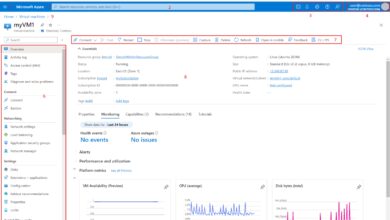
The Azure portal is a web-based console provided by Microsoft that allows users to interact with Azure services through a graphical interface. It supports a wide range of tasks—from launching virtual machines to setting up AI models and managing security policies.
- It’s accessible via portal.azure.com, the official URL.
- No installation is required—just a modern browser like Chrome, Edge, or Firefox.
- It integrates seamlessly with other Microsoft services like Office 365 and Dynamics 365.
“The Azure portal is the control center for your cloud infrastructure.” — Microsoft Azure Documentation
Different Types of Azure Identities
Before you perform an azure portal log in, it’s crucial to understand the type of identity you’re using. Azure supports several identity models:
- Azure AD (Entra ID) User: A user account managed in Azure Active Directory (now called Microsoft Entra ID), often used in enterprise environments.
- Microsoft Account (MSA): Personal accounts like outlook.com or hotmail.com used for individual Azure subscriptions.
- Work or School Account: Federated identities from an organization’s on-premises Active Directory synced via Azure AD Connect.
Each identity type affects how you log in, what security features are available, and which subscriptions you can access.
Supported Browsers and Devices
While the azure portal log in works on most modern devices, Microsoft recommends specific configurations for optimal performance:
- Google Chrome (latest version)
- Mozilla Firefox (latest version)
- Microsoft Edge (Chromium-based)
- Safari (for macOS users)
Avoid using outdated browsers or Internet Explorer, as they may not support critical features or security protocols. For mobile access, the Azure app (available on iOS and Android) provides a streamlined experience, though full functionality is best on desktop.
Step-by-Step Guide to Azure Portal Log In
Performing an azure portal log in doesn’t have to be complicated. Follow this structured guide to ensure a successful and secure entry into your Azure environment.
Step 1: Navigate to the Official Login Page
Always start by visiting the official Azure portal URL: https://portal.azure.com. Avoid third-party links or search engine ads that may lead to phishing sites.
- Bookmark the page for quick access.
- Ensure the URL begins with
https://and displays a padlock icon. - Check for the correct domain:
portal.azure.com.
Step 2: Enter Your Credentials
On the login screen, enter your email address or username associated with your Azure subscription. This could be:
- A work or school email (e.g., user@company.com)
- A Microsoft account (e.g., user@outlook.com)
- A guest user account (for multi-tenant access)
After entering your email, click Next. The system will determine the authentication method based on your identity type.
Step 3: Complete Authentication
Depending on your organization’s security policies, you may need to complete one or more of the following:
- Password: The primary credential for most accounts.
- Multi-Factor Authentication (MFA): A second verification step via phone call, text, or authenticator app.
- Single Sign-On (SSO): Automatic login if your device is domain-joined or enrolled in conditional access policies.
Once authenticated, you’ll be redirected to the Azure dashboard.
Common Issues During Azure Portal Log In and How to Fix Them
Even experienced users face hurdles during the azure portal log in process. Understanding common problems and their solutions can save time and frustration.
Forgot Password or Locked Account
If you’re unable to log in due to a forgotten password or account lockout:
- Click Forgot password? on the login screen.
- Follow the prompts to reset your password using a recovery email or phone number.
- If MFA is enabled, you’ll need access to your secondary device.
For work accounts, contact your organization’s IT administrator if self-service password reset (SSPR) isn’t configured.
Multi-Factor Authentication Failures
MFA is a security best practice, but it can cause login issues if not set up correctly:
- Ensure your authenticator app is synced and has the correct time.
- Check that your phone number is active if using SMS-based verification.
- Register backup methods (e.g., alternate phone or email) in advance.
If locked out, use the Azure Self-Service Password Reset portal to regain access.
Browser Cache and Cookie Errors
Sometimes, outdated cache or corrupted cookies prevent a successful azure portal log in:
- Clear browsing data (cookies, cache, site data).
- Try logging in using an incognito or private browsing window.
- Disable browser extensions that might interfere with authentication (e.g., ad blockers).
If the issue persists, try a different browser or device to isolate the problem.
Enhancing Security During Azure Portal Log In
Security should never be an afterthought. Every azure portal log in is a potential entry point for attackers, so implementing strong security practices is non-negotiable.
Enable Multi-Factor Authentication (MFA)
MFA adds a critical layer of protection by requiring two or more verification methods:
- Something you know (password)
- Something you have (phone or token)
- Something you are (biometrics)
To enable MFA:
- Go to the Azure portal.
- Navigate to Azure Active Directory > Security > Multifactor Authentication.
- Select users and enable MFA.
Learn more at Microsoft’s MFA documentation.
Use Conditional Access Policies
Conditional Access allows organizations to enforce access controls based on user, device, location, and risk level:
- Block access from untrusted locations.
- Require compliant devices (e.g., Intune-managed).
- Enforce MFA for sensitive operations.
These policies are configured under Azure AD > Protection > Conditional Access.
Leverage Identity Protection
Azure AD Identity Protection monitors for risky sign-ins and user behavior:
- Detects anomalies like sign-ins from unfamiliar locations.
- Flags leaked credentials or impossible travel.
- Automatically blocks or challenges suspicious logins.
It integrates with Conditional Access to enforce remediation actions.
Using Single Sign-On (SSO) for Seamless Azure Portal Log In
For enterprises, managing multiple passwords is inefficient and risky. Single Sign-On (SSO) streamlines the azure portal log in experience by allowing users to authenticate once and access multiple applications.
How SSO Works with Azure AD
Azure AD acts as an identity provider (IdP) for SSO. When you attempt an azure portal log in:
- Your browser redirects to Azure AD for authentication.
- After successful login, Azure AD issues a security token.
- The token grants access to the portal and other connected apps.
This process is based on standards like SAML, OAuth, and OpenID Connect.
Setting Up SSO for Your Organization
To configure SSO:
- Sign in to the Azure portal as a Global Administrator.
- Go to Azure Active Directory > Enterprise Applications.
- Select an app and configure Single Sign-On.
- Choose the method (SAML, Password-based, etc.) and follow setup instructions.
Detailed guides are available at Microsoft Learn.
Benefits of SSO for Users and Admins
SSO isn’t just convenient—it enhances security and productivity:
- Reduces password fatigue and phishing risks.
- Centralizes user management and access control.
- Improves auditability and compliance reporting.
Users enjoy one-click access; admins gain better oversight.
Managing Multiple Subscriptions During Azure Portal Log In
Many users have access to multiple Azure subscriptions—personal, work, or client-based. Navigating between them after an azure portal log in requires understanding of context switching and role-based access control (RBAC).
Switching Between Subscriptions
After logging in:
- Click the subscription filter at the top of the portal.
- Select the desired subscription from the dropdown list.
- The dashboard and available services will update accordingly.
You can also pin frequently used subscriptions for faster access.
Understanding RBAC and Access Levels
Role-Based Access Control (RBAC) determines what you can do in each subscription:
- Owner: Full access, including managing roles.
- Contributor: Can create and manage resources but not assign roles.
- Reader: View-only access.
If you can’t see a subscription, you may lack permissions. Contact the subscription administrator to request access.
Using Azure Lighthouse for Cross-Tenant Management
Azure Lighthouse enables service providers to manage resources across multiple customer tenants from a single portal:
- Eliminates the need to log in to each customer’s tenant separately.
- Supports delegated resource management at scale.
- Enhances operational efficiency for MSPs and consultants.
Learn more at Azure Lighthouse documentation.
Best Practices for a Smooth Azure Portal Log In Experience
Optimizing your azure portal log in process isn’t just about getting in—it’s about staying secure, efficient, and productive.
Bookmark the Correct URL
Always use https://portal.azure.com as your primary access point. Avoid generic searches that might lead to fake portals.
- Create a bookmark or desktop shortcut.
- Use the Azure mobile app for on-the-go access.
- Enable password managers to auto-fill credentials securely.
Keep Your Authentication Methods Updated
Ensure your MFA methods, recovery emails, and phone numbers are current:
- Update contact info in My Profile under Azure AD.
- Test MFA methods regularly.
- Remove outdated devices from your account.
This prevents lockouts during critical operations.
Monitor Sign-In Activity
Regularly review your sign-in logs to detect suspicious activity:
- Go to Azure AD > Sign-in logs.
- Filter by user, app, or status (success/failure).
- Investigate unfamiliar locations or devices.
Proactive monitoring is key to early threat detection.
Advanced Tips for Power Users
For developers and administrators, mastering the azure portal log in opens doors to automation, scripting, and advanced management.
Use Azure CLI and PowerShell for Non-Interactive Logins
Beyond the web portal, Azure supports command-line tools:
- Azure CLI: Run
az loginto authenticate via browser or service principal. - Azure PowerShell: Use
Connect-AzAccountfor script-based access. - Supports headless logins for CI/CD pipelines.
Documentation: Azure CLI Authentication.
Leverage Service Principals for Automation
Service principals allow applications to log in without human interaction:
- Create a service principal in Azure AD.
- Assign roles using RBAC.
- Use client ID and secret (or certificate) for authentication.
Essential for DevOps workflows and infrastructure-as-code (IaC).
Integrate with Third-Party Identity Providers
Azure supports federation with external IdPs like Okta, PingIdentity, and ADFS:
- Enables centralized identity management.
- Supports SSO across hybrid environments.
- Requires proper SAML or OIDC configuration.
How do I reset my Azure portal password?
If you’ve forgotten your password, click “Forgot password?” on the login screen. Follow the prompts to verify your identity using a recovery method (email, phone, or authenticator app). If you’re using a work or school account, contact your administrator if self-service reset isn’t enabled.
Why can’t I log in to the Azure portal?
Common reasons include incorrect credentials, expired passwords, MFA setup issues, browser problems, or network restrictions. Try clearing cache, using a different browser, or checking your account status. If the issue persists, review sign-in logs in Azure AD for error details.
Is the Azure portal login secure?
Yes, when proper security measures are in place. Always enable MFA, use strong passwords, monitor sign-in activity, and apply Conditional Access policies. Avoid public computers or unsecured networks when logging in.
Can I access Azure from my phone?
Absolutely. Download the official Azure app from the App Store or Google Play. It supports monitoring, notifications, and basic management tasks. For full functionality, use a desktop browser.
What is the difference between a Microsoft account and Azure AD account?
A Microsoft account (MSA) is a personal account (e.g., @outlook.com) used for consumer services. An Azure AD account is an organizational account managed by a company or institution, often synced with on-premises directories. Both can be used for azure portal log in, depending on the subscription type.
Mastering the azure portal log in is more than just entering a username and password—it’s about understanding identity, security, and access management in the cloud. From basic login steps to advanced automation, this guide has equipped you with the knowledge to navigate Azure confidently. Whether you’re a beginner or a pro, applying these tips will ensure a secure, efficient, and seamless experience every time you log in.
Recommended for you 👇
Further Reading: