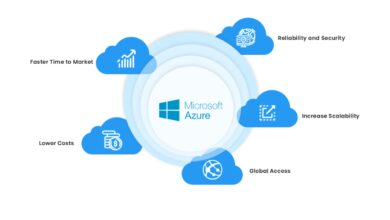
Unlock the full power of cloud management with the Azure Portal—your central hub for controlling Microsoft’s vast cloud ecosystem. Simple, visual, and packed with tools, it’s never been easier to deploy, monitor, and scale resources—all from one intuitive dashboard.





What Is the Azure Portal and Why It Matters

The Azure Portal is Microsoft’s web-based interface for managing cloud services within the Azure ecosystem. It acts as a centralized control panel where users can create, configure, monitor, and optimize cloud resources like virtual machines, databases, networking tools, and AI services. Unlike command-line tools or APIs, the Azure Portal offers a graphical user interface (GUI) that makes cloud management accessible to both beginners and experts.
A Unified Dashboard for Cloud Management
One of the standout features of the Azure Portal is its unified dashboard. This customizable interface allows users to pin frequently used services, track resource performance in real time, and receive alerts directly on the homepage. Whether you’re an IT administrator, developer, or business analyst, the dashboard adapts to your workflow.
- Drag-and-drop widgets for monitoring CPU usage, storage, and network traffic.
- Real-time cost tracking to prevent budget overruns.
- Quick access to recent activities and service health alerts.
Accessibility and Cross-Platform Support
The Azure Portal runs entirely in a web browser, making it accessible from any device with an internet connection—Windows, macOS, Linux, or even mobile browsers. There’s no need to install software, and Microsoft ensures compatibility with major browsers like Chrome, Edge, Firefox, and Safari.
For teams working remotely or across different time zones, this accessibility ensures seamless collaboration. Additionally, Microsoft offers the Azure Portal mobile app, which provides limited but essential functionality for on-the-go management.
“The Azure Portal is the front door to Azure. It simplifies complex operations and brings enterprise-grade cloud control to every user.” — Microsoft Azure Documentation
Core Features of the Azure Portal
The Azure Portal isn’t just a pretty interface—it’s packed with powerful features designed to streamline cloud operations. From resource deployment to security monitoring, here’s a deep dive into what makes it indispensable.
Resource Creation and Deployment
Creating new resources in Azure is as simple as clicking a button. The portal guides users through a step-by-step wizard for deploying services like virtual machines, storage accounts, and web apps. Each wizard includes pre-configured templates, recommended settings, and cost estimates before deployment.
- Use Quick Create for default configurations.
- Leverage Custom Deployments with ARM (Azure Resource Manager) templates for complex setups.
- Preview monthly costs during setup to avoid surprises.
Monitoring and Diagnostics
The Azure Portal integrates deeply with Azure Monitor, providing real-time insights into application and infrastructure performance. Users can view logs, set up alerts, and analyze metrics across multiple services.
Key tools include:
- Metrics Explorer: Visualize performance data over time.
- Log Analytics: Query logs using Kusto Query Language (KQL).
- Application Insights: Monitor app performance and user behavior.
These tools are accessible directly from the resource blade, ensuring quick troubleshooting and proactive maintenance.
Navigating the Azure Portal Interface
Understanding the layout of the Azure Portal is crucial for efficient navigation. The interface is designed with usability in mind, but its depth can be overwhelming for new users. Let’s break down the key components.
The Left-Hand Navigation Menu
The navigation pane on the left side of the screen is your gateway to all Azure services. It’s divided into sections like Home, Dashboard, Resource groups, and All services. You can collapse or expand it based on preference.
- Pin frequently used services (e.g., Virtual Machines, Storage Accounts) for one-click access.
- Use the search bar at the top to quickly find services by name.
- Access Marketplace to deploy third-party solutions and SaaS offerings.
Resource Blades and Contextual Panels
When you select a resource—like a virtual machine or database—a blade slides in from the right. This blade contains all settings, metrics, and actions related to that specific resource. It’s context-sensitive, meaning only relevant options are displayed.
For example, selecting a VM blade shows options to:
- Start, stop, or restart the machine.
- Configure networking, disks, and backups.
- View monitoring charts and diagnostic logs.
This modular design prevents clutter and keeps workflows focused.
Managing Users and Access with Azure Portal
Security and access control are critical in any cloud environment. The Azure Portal provides robust tools for managing identities, permissions, and compliance through Azure Active Directory (Azure AD) integration.
Role-Based Access Control (RBAC)
RBAC allows administrators to assign granular permissions to users, groups, or applications. Instead of giving full access, you can assign roles like Reader, Contributor, or Owner at different scopes—subscription, resource group, or individual resource.
- Reader: View resources but cannot make changes.
- Contributor: Create and manage resources but cannot grant access.
- Owner: Full control, including permission management.
This ensures the principle of least privilege is maintained across teams.
Multi-Factor Authentication and Conditional Access
The Azure Portal supports advanced security policies via Azure AD. Administrators can enforce multi-factor authentication (MFA) and conditional access rules—such as blocking logins from untrusted locations or requiring compliant devices.
These policies are configured under the Azure Active Directory section and apply across all Azure services accessed through the portal.
“Security is not an afterthought in Azure—it’s built into every layer, starting with identity management in the portal.” — Microsoft Security Blog
Cost Management and Billing in Azure Portal
One of the biggest challenges in cloud computing is cost control. The Azure Portal offers comprehensive tools to track, analyze, and optimize spending across your environment.
Cost Analysis Dashboard
The Cost Management + Billing section provides a detailed breakdown of expenses by service, region, resource group, or tag. You can view historical data, forecast future costs, and set budgets with alerts.
- Create custom budgets for departments or projects.
- Receive email alerts when spending exceeds thresholds.
- Export reports to CSV or integrate with Power BI for deeper analysis.
This transparency helps organizations avoid bill shock and justify cloud investments.
Reserved Instances and Savings Plans
To reduce long-term costs, the Azure Portal allows users to purchase Reserved VM Instances or opt into Savings Plans. These offer significant discounts (up to 72%) compared to pay-as-you-go pricing, provided the resources are used consistently.
The portal recommends eligible resources for reservation and projects potential savings—making it easy to make cost-effective decisions.
Automation and Scripting via Azure Portal
While the GUI is powerful, automation is key to scalability. The Azure Portal bridges the gap between visual tools and code-driven workflows.
Exporting Templates for Repeatable Deployments
Every resource created in the portal can be exported as an ARM (Azure Resource Manager) template. This JSON-based template captures the exact configuration, allowing you to redeploy the same setup in different environments (dev, test, prod) or share it with teams.
- Navigate to any resource group and click Export template.
- Download the JSON file or deploy it directly.
- Integrate with CI/CD pipelines using Azure DevOps or GitHub Actions.
This feature is a game-changer for DevOps teams aiming for infrastructure-as-code (IaC) practices.
Integration with Azure Cloud Shell
The Azure Portal includes an embedded Cloud Shell—a browser-based command-line environment with PowerShell and Bash support. It’s pre-authenticated, so you can run scripts without configuring credentials.
Use Cloud Shell to:
- Run CLI commands to manage resources.
- Automate tasks with scripts.
- Access a persistent file share for storing configuration files.
It’s accessible from the top navigation bar with a single click, making it a powerful companion to the GUI.
Security and Compliance Monitoring in Azure Portal
In today’s threat landscape, proactive security is non-negotiable. The Azure Portal integrates with Azure Security Center (now part of Microsoft Defender for Cloud) to provide end-to-end security monitoring.
Security Recommendations and Threat Detection
Microsoft Defender for Cloud continuously assesses your environment and provides actionable recommendations—like enabling disk encryption or applying security patches. Each recommendation includes severity levels and remediation steps.
- View security posture across subscriptions.
- Enable just-in-time VM access to reduce attack surface.
- Receive alerts for suspicious activities (e.g., brute force attacks).
These insights are presented in a clear, prioritized dashboard within the Azure Portal.
Compliance Standards and Audit Logs
For regulated industries, the portal offers built-in compliance dashboards that map your resources to standards like GDPR, HIPAA, ISO 27001, and SOC 2. You can generate compliance reports and audit trails directly from the interface.
The Azure Activity Log records all control-plane operations (e.g., who deleted a VM), which is crucial for forensic analysis and governance.
Customization and Personalization Options
The Azure Portal isn’t one-size-fits-all. It allows extensive customization to match individual or team workflows.
Creating Custom Dashboards
Users can build personalized dashboards by adding tiles for specific resources, metrics, or services. These dashboards can be shared with teams or saved as private views.
- Add charts for CPU usage, network latency, or error rates.
- Filter data by time range or resource tag.
- Set dashboard as default homepage for quick access.
This flexibility makes the Azure Portal adaptable to roles like DevOps engineers, finance teams, or security analysts.
Using Tags for Resource Organization
Tags are key-value pairs you can attach to resources for better organization and cost tracking. For example, tag resources with Environment=Production, Department=Marketing, or CostCenter=1001.
In the portal, you can filter and group resources by tags, making it easier to manage large-scale deployments and allocate costs accurately.
Best Practices for Using the Azure Portal Effectively
To get the most out of the Azure Portal, follow these proven best practices:
Use Resource Groups Strategically
Organize resources by function, environment, or project using resource groups. This simplifies management, access control, and deletion of related resources in bulk.
- Create separate groups for dev, staging, and production.
- Apply RBAC at the resource group level for team-based access.
- Use naming conventions (e.g.,
rg-prod-web-eus) for clarity.
Leverage Quickstart Templates
Azure offers hundreds of Quickstart Templates on GitHub. These community-contributed ARM templates allow you to deploy complex architectures—like a full LAMP stack or Kubernetes cluster—with minimal effort.
You can deploy them directly from the portal by searching for “Deploy a custom template.”
Enable Monitoring Early
Don’t wait until an issue occurs to set up monitoring. Enable Azure Monitor and Application Insights during initial deployment to establish baselines and detect anomalies early.
What is the Azure Portal used for?
The Azure Portal is used to manage all aspects of Microsoft Azure cloud services, including deploying virtual machines, configuring networks, monitoring performance, managing identities, and controlling costs—all through a web-based graphical interface.
Is the Azure Portal free to use?
Yes, access to the Azure Portal itself is free. However, the cloud resources you create and manage through it (like VMs, storage, and databases) incur charges based on usage. You can use the Cost Management tools to monitor and control spending.
How do I secure my Azure Portal access?
Secure your Azure Portal access by enabling Multi-Factor Authentication (MFA), using Role-Based Access Control (RBAC) to limit permissions, and configuring conditional access policies through Azure Active Directory. Regularly audit sign-in logs and activity history.
Can I automate tasks in the Azure Portal?
Yes, the Azure Portal supports automation through features like exporting ARM templates, using Azure Cloud Shell for scripting, and integrating with Azure Automation and Logic Apps for workflow orchestration.
What is the difference between Azure Portal and Azure CLI?
The Azure Portal is a graphical interface for managing Azure services, ideal for visual management and quick tasks. Azure CLI is a command-line tool for scripting and automation, preferred by developers and DevOps teams for repeatable processes.
The Azure Portal is far more than just a dashboard—it’s a powerful, secure, and intuitive gateway to Microsoft’s cloud ecosystem. From deploying resources and managing access to monitoring performance and controlling costs, it offers everything you need in one place. By mastering its features, from RBAC and cost analysis to automation and security, you can unlock the true potential of Azure. Whether you’re a beginner or a seasoned cloud professional, the portal adapts to your needs, making cloud management not just possible, but efficient and scalable. Start exploring its capabilities today to build a smarter, more resilient cloud infrastructure.
Further Reading: