Welcome to the ultimate guide on Azure Standard. Whether you’re a cloud novice or an IT pro, this deep dive reveals everything you need to know about Microsoft’s foundational cloud service tier—its features, benefits, and real-world impact in 2024.





What Is Azure Standard and Why It Matters

The term azure standard refers to Microsoft Azure’s baseline service tier that delivers reliable, scalable, and secure cloud computing resources. Unlike the premium or enterprise tiers, Azure Standard is designed for businesses seeking cost-effective solutions without sacrificing core functionality. It serves as the backbone for startups, SMEs, and even departments within large organizations that need dependable infrastructure without overcomplicating their cloud strategy.
Defining Azure Standard in Cloud Computing
Azure Standard isn’t a single product but a category of services offered under Microsoft’s cloud platform. These services include virtual machines (VMs), storage accounts, networking components, and databases—all available at a predictable pricing model. The ‘Standard’ designation typically indicates that the service includes SLA-backed uptime (usually 99.9%), redundancy, and support for production workloads.
- Standard-tier VMs offer balanced CPU, memory, and storage.
- Standard storage provides durable, replicated data storage.
- Standard Public IP addresses support high availability configurations.
Microsoft clearly categorizes these offerings to help users differentiate between basic, standard, and premium levels. For example, an Azure Standard VM might use SSD-backed storage and offer auto-scaling, while a basic VM does not.
How Azure Standard Compares to Other Tiers
Understanding the differences between Azure’s service tiers is crucial for cost optimization. The primary tiers are Basic, Standard, and Premium. While Basic is ideal for dev/test environments, azure standard is built for production use.
- Basic Tier: No SLA, limited scalability, no load balancing—perfect for non-critical apps.
- Standard Tier: Full SLA, supports load balancers, auto-scaling, and zone redundancy.
- Premium Tier: Highest performance, ultra-low latency, advanced monitoring, and dedicated support.
“The Standard tier strikes the perfect balance between cost and reliability for most business applications.” — Microsoft Azure Documentation
For instance, a company running an e-commerce site would avoid the Basic tier due to uptime risks. Instead, they’d choose azure standard VMs and storage to ensure their site remains online during peak traffic.
Core Features of Azure Standard Services
The strength of azure standard lies in its comprehensive feature set tailored for real-world business needs. These features are not just technical checkboxes—they directly impact performance, security, and scalability.
High Availability and Fault Tolerance
One of the standout features of Azure Standard is its built-in high availability. Services like Standard Load Balancer and Availability Zones ensure that applications remain accessible even during hardware failures.
- Availability Zones distribute resources across multiple physical locations within a region.
- Standard-tier VMs can be deployed in availability sets to minimize downtime.
- Zone-redundant services replicate data across zones for disaster recovery.
This is especially vital for healthcare, finance, and SaaS companies where downtime equals lost revenue and compliance risks. Microsoft guarantees a 99.99% uptime SLA for certain Standard-tier configurations, making it a trusted choice for mission-critical systems.
Scalability and Elasticity
Scalability is at the heart of cloud computing, and azure standard delivers through auto-scaling groups and elastic resources. Whether you’re handling a sudden spike in user traffic or planning for seasonal growth, Azure Standard adapts seamlessly.
- Auto-scale rules can be based on CPU usage, memory, or network traffic.
- Virtual Machine Scale Sets allow deployment of hundreds of VMs automatically.
- Standard App Services scale horizontally with minimal configuration.
For example, a media company streaming a live event can use Azure Standard App Services to scale from 100 to 10,000 users in minutes, ensuring smooth performance without manual intervention.
Azure Standard vs. Azure Basic: A Detailed Breakdown
Choosing between Azure Basic and Standard isn’t just about price—it’s about aligning your cloud strategy with business goals. Let’s dissect the key differences that make azure standard the smarter choice for most production environments.
Service Level Agreements (SLAs)
SLAs are contractual guarantees of uptime and performance. Azure Basic offers no SLA, meaning Microsoft isn’t liable if your service goes down. In contrast, azure standard comes with a 99.9% uptime guarantee for most services.
- Standard VMs: 99.9% SLA
- Standard Load Balancer: 99.99% SLA
- Standard SSD Managed Disks: 99.9% SLA
This difference is critical for businesses that rely on continuous operations. A single hour of downtime can cost thousands—or millions—for online retailers, SaaS platforms, or financial institutions.
Networking and Security Capabilities
Security and networking are where Azure Standard truly outshines Basic. While Basic-tier resources are isolated and lack advanced networking features, Standard-tier services support:
- Integration with Azure Firewall and Network Security Groups (NSGs).
- Support for Virtual Network (VNet) peering and ExpressRoute.
- DDoS protection at no extra cost.
For instance, a fintech startup using Azure Standard can deploy a secure VNet, apply NSG rules to restrict traffic, and use Azure Firewall to monitor and filter inbound/outbound data—all capabilities absent in the Basic tier.
Cost Efficiency of Azure Standard
One of the biggest misconceptions about cloud computing is that higher tiers always mean higher costs. With azure standard, you get enterprise-grade features at a fraction of the price of Premium, making it a cost-efficient powerhouse.
Pricing Models and Cost Management Tools
Azure offers several pricing models for Standard services, including pay-as-you-go, reserved instances, and spot instances. Reserved instances can save up to 72% compared to on-demand pricing, making them ideal for predictable workloads.
- Pay-as-you-go: Ideal for variable or short-term usage.
- Reserved Instances: Best for steady-state applications (1- or 3-year terms).
- Spot VMs: Leverage unused capacity at up to 90% discount (ideal for batch jobs).
Tools like Azure Cost Management help track spending, set budgets, and receive alerts when thresholds are exceeded. This transparency empowers teams to optimize their cloud spend without sacrificing performance.
Total Cost of Ownership (TCO) Analysis
When comparing on-premises infrastructure to azure standard, the TCO advantage becomes clear. On-prem setups require upfront capital for servers, cooling, power, and IT staff. Azure Standard eliminates most of these costs.
- No hardware procurement or maintenance.
- No data center real estate or utility bills.
- Reduced need for in-house IT personnel for infrastructure management.
A 2023 study by Forrester found that companies migrating to Azure Standard reduced their TCO by 45% over three years compared to on-premises solutions. This includes savings from reduced downtime, faster deployment, and improved resource utilization.
“Migrating to Azure Standard allowed us to cut IT costs by nearly half while improving system reliability.” — CTO, Mid-Sized Logistics Firm
Real-World Use Cases of Azure Standard
Theoretical benefits are great, but real-world applications prove the value of azure standard. From startups to government agencies, organizations across industries are leveraging this tier to drive innovation and efficiency.
Startups and SaaS Companies
Startups need agility, low upfront costs, and the ability to scale quickly. azure standard provides all three. A SaaS company can launch its MVP using Standard App Services, scale with user growth, and integrate Azure SQL Database for secure, managed data storage.
- Rapid deployment of web apps and APIs.
- Integrated CI/CD pipelines via Azure DevOps.
- Automatic backups and point-in-time recovery.
For example, a health-tech startup used Azure Standard to deploy a HIPAA-compliant patient portal in under two weeks, leveraging Standard-tier VMs and encrypted storage.
Enterprise Departments and Hybrid Cloud
Large enterprises often use azure standard for departmental projects or hybrid cloud setups. Instead of overburdening central IT, teams can spin up Standard-tier environments for development, testing, or analytics.
- Hybrid connectivity via Azure VPN Gateway or ExpressRoute.
- Disaster recovery using Azure Site Recovery with Standard VMs.
- Dev/test environments with auto-shutdown to save costs.
A global manufacturing company uses Azure Standard to run regional sales analytics dashboards, syncing data from on-prem ERP systems through secure gateways.
Security and Compliance in Azure Standard
Security is non-negotiable in the cloud. azure standard includes robust security features and compliance certifications that meet global regulatory requirements.
Built-in Security Features
Azure Standard services come with multiple layers of security by default:
- Network Security Groups (NSGs) to control inbound/outbound traffic.
- Role-Based Access Control (RBAC) for granular permissions.
- Encryption at rest and in transit using Azure-managed or customer-managed keys.
Additionally, Azure Security Center (now part of Microsoft Defender for Cloud) provides threat detection, vulnerability assessments, and security recommendations for Standard-tier resources.
Compliance and Certifications
Microsoft Azure holds over 140 compliance certifications, many of which apply directly to azure standard services. These include:
- GDPR (General Data Protection Regulation)
- ISO/IEC 27001, 27017, 27018
- HIPAA and HITRUST for healthcare
- SOC 1, SOC 2, SOC 3
- PCI DSS for payment processing
This means organizations in regulated industries can confidently deploy azure standard solutions knowing they meet legal and audit requirements. For example, a European bank uses Azure Standard storage with GDPR-compliant data handling to store customer records securely.
How to Get Started with Azure Standard
Starting with azure standard is easier than ever, thanks to Microsoft’s intuitive portal, free tier, and extensive documentation.
Setting Up Your First Azure Standard Resource
Follow these steps to deploy your first Standard-tier resource:
- Sign up for an Azure Free Account (includes $200 credit and 12 months of free services).
- Log in to the Azure Portal (portal.azure.com).
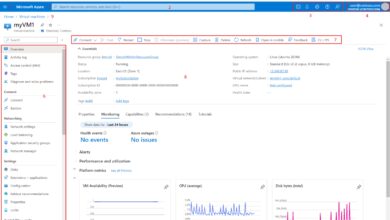
- Navigate to ‘Create a resource’ and select a service (e.g., Virtual Machine).
- Choose the ‘Standard’ tier during configuration (e.g., select a ‘B’ or ‘D’ series VM).
- Configure networking, security, and storage options.
- Deploy and monitor via the dashboard.
You can also use Azure CLI or PowerShell for automation, which is ideal for DevOps teams.
Best Practices for Optimization
To get the most out of azure standard, follow these best practices:
- Use Azure Advisor for personalized recommendations on cost, performance, and security.
- Enable auto-shutdown for non-production VMs to reduce costs.
- Monitor performance with Azure Monitor and set up alerts.
- Regularly review and clean up unused resources (orphaned disks, IPs, etc.).
These practices ensure you maintain efficiency, security, and cost control as your cloud footprint grows.
Future of Azure Standard: Trends and Predictions for 2024
As cloud technology evolves, so does azure standard. Microsoft continues to enhance this tier with new features, better integration, and AI-driven optimizations.
AI and Automation Integration
In 2024, expect deeper integration of AI into Azure Standard services. Microsoft is embedding AI-powered insights into Cost Management, Security Center, and even VM performance tuning.
- AI-driven auto-scaling based on predictive analytics.
- Automated anomaly detection in network traffic.
- Smart cost recommendations using machine learning.
These advancements will make azure standard even more efficient and user-friendly, especially for teams without dedicated cloud experts.
Sustainability and Green Cloud Initiatives
Sustainability is a growing priority. Microsoft has committed to being carbon negative by 2030, and azure standard plays a role in this goal.
- Energy-efficient data centers powered by renewable energy.
- Carbon footprint tracking via Azure Sustainability Calculator.
- Optimized hardware utilization to reduce waste.
Organizations using azure standard can now report lower carbon emissions as part of their ESG initiatives, adding environmental value to their cloud investment.
What is Azure Standard used for?
Azure Standard is used for hosting production workloads such as web applications, databases, virtual machines, and enterprise services that require high availability, scalability, and security. It’s ideal for businesses that need reliable cloud infrastructure without the premium price tag.
Is Azure Standard free?
No, Azure Standard is not free, but it offers a pay-as-you-go pricing model. However, new users can access free credits and certain Standard-tier services for free during the first 12 months with the Azure Free Account.
How does Azure Standard ensure data security?
Azure Standard ensures data security through encryption (at rest and in transit), Network Security Groups, Role-Based Access Control, and compliance with global standards like GDPR, HIPAA, and ISO 27001. It also integrates with Microsoft Defender for Cloud for advanced threat protection.
Can I upgrade from Azure Basic to Standard?
Yes, you can upgrade from Azure Basic to Standard at any time. For example, you can change a Basic VM to a Standard VM or upgrade a Basic App Service to Standard. This process is usually seamless and can be done through the Azure portal or CLI.
What are the limitations of Azure Standard?
While Azure Standard is powerful, it may not offer the ultra-low latency or highest IOPS (Input/Output Operations Per Second) required for high-performance computing (HPC) or real-time analytics. In such cases, the Premium tier may be more suitable. Additionally, some advanced features like zone-redundant file shares are only available in specific regions.
In conclusion, azure standard is more than just a cloud service tier—it’s a strategic enabler for businesses aiming to balance performance, reliability, and cost. From startups to enterprises, its robust features, security, and scalability make it a top choice in 2024. Whether you’re building a new app, migrating legacy systems, or optimizing cloud spend, Azure Standard provides the foundation you need to succeed. As Microsoft continues to innovate, this tier will only become more powerful, intelligent, and sustainable—making it a smart long-term investment for any organization.
Further Reading: