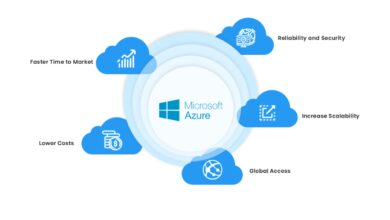
MS Azure is transforming how businesses operate in the digital era. With unmatched scalability, security, and global reach, it’s no wonder enterprises worldwide are making the switch. Let’s dive into what makes MS Azure a powerhouse in cloud computing.





What Is MS Azure and Why It Matters

Microsoft Azure, commonly referred to as MS Azure, is a comprehensive cloud computing platform launched by Microsoft in 2010. It offers over 200 services ranging from virtual machines and AI tools to data analytics and IoT solutions. Unlike traditional on-premise infrastructure, MS Azure enables organizations to scale resources on demand, reduce capital expenditure, and accelerate innovation.
The Evolution of MS Azure
MS Azure began as a platform for hosting web applications but has since evolved into one of the top three cloud providers globally, alongside AWS and Google Cloud. Its journey reflects Microsoft’s strategic shift from a software-centric company to a cloud-first, mobile-first leader.
- Launched in 2010 as Windows Azure
- Rebranded to Microsoft Azure in 2014
- Now operates in over 60 regions worldwide
“Azure is not just a cloud platform; it’s the backbone of Microsoft’s entire digital transformation strategy.” — Satya Nadella, CEO of Microsoft
Core Components of MS Azure
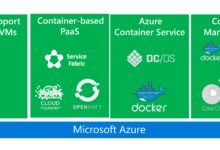
MS Azure isn’t a single product—it’s an ecosystem. Key components include compute, networking, storage, and management tools. These services are modular, allowing businesses to pick and choose based on their needs.
- Compute: Virtual Machines, Azure Functions, Kubernetes Service
- Networking: Virtual Network, Load Balancer, DNS
- Storage: Blob, Disk, Queue, and Table storage
- Management: Azure Portal, CLI, PowerShell, Monitor
Each component integrates seamlessly, enabling developers and IT teams to build, deploy, and manage applications efficiently. For more details, visit Microsoft’s official Azure site.
MS Azure vs. Competitors: A Strategic Edge
While AWS holds the largest market share, MS Azure stands out with hybrid capabilities, enterprise integration, and deep Microsoft ecosystem synergy. This makes it particularly attractive for organizations already using Microsoft products like Office 365, Dynamics 365, or Active Directory.
Hybrid Cloud Leadership
One of MS Azure’s most powerful differentiators is its hybrid cloud offering. Azure Stack allows businesses to run Azure services on-premises, creating a consistent environment across cloud and data centers.
- Enables compliance with data sovereignty laws
- Supports legacy systems that can’t migrate fully to the cloud
- Provides unified management via Azure Arc
This hybrid approach is critical for industries like finance, healthcare, and government, where data control is non-negotiable.
Integration with Microsoft Ecosystem
MS Azure integrates natively with Microsoft 365, Power Platform, and Windows Server. This tight integration reduces complexity and training overhead.
- Single sign-on (SSO) via Azure Active Directory
- Seamless collaboration between Teams and Azure DevOps
- Automated workflows using Power Automate and Logic Apps
For example, a sales team using Dynamics 365 can leverage Azure AI to analyze customer behavior without switching platforms. Learn more at Microsoft Learn: Azure Documentation.
Top 7 Benefits of Using MS Azure
Organizations adopt MS Azure not just for technology, but for tangible business outcomes. Here are seven powerful reasons why MS Azure is a game-changer.
1. Global Scale and High Availability
MS Azure operates in 60+ regions, more than any other cloud provider. This global footprint ensures low latency and high availability for applications serving international users.
- 99.9% uptime SLA for most services
- Disaster recovery across geographies
- Content delivery via Azure CDN
Companies like BMW and Coca-Cola use MS Azure to deliver consistent experiences across continents.
2. Enterprise-Grade Security
Security is a top concern for CIOs, and MS Azure delivers with a multi-layered approach.
- Built-in DDoS protection
- Advanced Threat Protection for SQL and storage
- Compliance with ISO, GDPR, HIPAA, and FedRAMP
Azure Security Center provides unified security management and advanced threat detection. It continuously monitors resources and recommends improvements.
3. Cost Efficiency and Predictable Pricing
MS Azure offers flexible pricing models, including pay-as-you-go, reserved instances, and hybrid benefits.
- Azure Hybrid Benefit allows using existing Windows Server licenses
- Cost Management tools help track and optimize spending
- Spot VMs for non-critical workloads at up to 90% discount
Unlike on-premise setups, there’s no need to over-provision hardware. You pay only for what you use.
4. AI and Machine Learning Capabilities
MS Azure democratizes AI with pre-built models and easy-to-use tools.
- Azure Cognitive Services for vision, speech, language, and decision-making
- Machine Learning Studio for building custom models
- Open-source frameworks like PyTorch and TensorFlow supported
For instance, Rolls-Royce uses Azure AI to analyze jet engine data and predict maintenance needs.
5. DevOps and Developer Support
MS Azure is developer-friendly, supporting multiple languages, frameworks, and CI/CD pipelines.
- Azure DevOps for planning, coding, testing, and deployment
- GitHub integration for collaborative development
- Support for .NET, Java, Python, Node.js, and more
Developers can deploy apps in minutes using Azure App Service or containers via Azure Kubernetes Service (AKS).
6. Sustainability and Green Cloud Initiatives
Microsoft is committed to being carbon negative by 2030, and MS Azure plays a central role.
- Data centers powered by renewable energy
- Water-saving cooling technologies
- Carbon footprint tracking via Azure Sustainability Calculator
Choosing MS Azure aligns your business with environmental responsibility.
7. Strong Partner and Marketplace Ecosystem
The Azure Marketplace offers thousands of solutions from partners like SAP, Oracle, and Adobe.
- Pre-configured VMs and SaaS offerings
- Easy integration with third-party tools
- Partner-led support and consulting services
This ecosystem accelerates time-to-market for new projects.
Key Services in MS Azure You Should Know
Understanding MS Azure’s core services helps you leverage its full potential. Let’s explore the most impactful ones.
Compute Services: Powering Your Applications
MS Azure offers flexible compute options for any workload.
- Virtual Machines (VMs): Run Windows or Linux workloads with full control
- Azure App Service: Host web apps without managing infrastructure
- Azure Functions: Serverless computing for event-driven tasks
- AKS (Azure Kubernetes Service): Manage containerized applications at scale
These services support everything from legacy apps to modern microservices.
Storage Solutions: Reliable and Scalable
MS Azure provides durable, secure, and high-performance storage.
- Blob Storage: Ideal for unstructured data like images, videos, and backups
- Disk Storage: High-speed SSDs for VMs
- File Storage: Cloud-based SMB file shares
- Data Lake Storage: Big data analytics at scale
All storage types are encrypted at rest and support geo-redundancy.
Networking and Connectivity
MS Azure ensures secure and fast connectivity.
- Virtual Network (VNet): Isolate and secure cloud resources
- Azure ExpressRoute: Private connection from on-premise to Azure
- Azure Firewall: Managed, cloud-native firewall service
- Application Gateway: Layer 7 load balancing and WAF
These tools enable hybrid architectures and protect against external threats.
How MS Azure Supports Digital Transformation
Digital transformation is not just about technology—it’s about reimagining business processes. MS Azure acts as an enabler across industries.
Accelerating Innovation in Enterprises
With MS Azure, companies can experiment quickly and deploy solutions faster.
- Use Azure DevTest Labs to spin up environments on demand
- Leverage AI to gain insights from customer data
- Build low-code apps with Power Apps integrated with Azure
This agility helps enterprises stay competitive in fast-changing markets.
Enabling Remote Work and Collaboration
The pandemic accelerated remote work, and MS Azure supports this shift securely.
- Azure Virtual Desktop delivers Windows desktops from the cloud
- Integration with Microsoft Teams for communication
- Conditional Access policies to secure remote logins
Organizations can scale remote access without compromising security.
Supporting Industry-Specific Solutions
MS Azure offers tailored solutions for healthcare, finance, retail, and manufacturing.
- Healthcare: Azure API for FHIR enables interoperable health data exchange
- Finance: Azure Confidential Computing secures sensitive financial data
- Retail: Azure IoT Hub tracks inventory and customer behavior
- Manufacturing: Azure Digital Twins models physical environments
These industry clouds provide compliance, security, and specialized tools.
Getting Started with MS Azure: A Step-by-Step Guide
Starting with MS Azure doesn’t have to be overwhelming. Follow these steps to begin your cloud journey.
Step 1: Set Up an Azure Account
Visit Azure Free Account to sign up. You’ll get $200 credit and access to over 25 services for 12 months.
- Use your Microsoft account or create a new one
- Provide billing information (no charges until free tier expires)
- Verify your identity
Step 2: Explore the Azure Portal
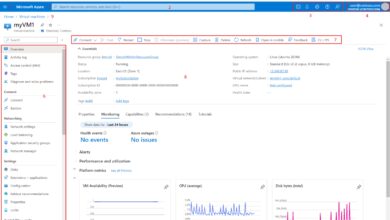
The Azure Portal is your central dashboard.
- Navigate using the left-hand menu
- Create resources using the ‘+’ button
- Monitor usage and costs in the Cost Management section
Familiarize yourself with the interface before deploying resources.
Step 3: Deploy Your First Resource
Start with a simple Virtual Machine or Web App.
- Click ‘Create a resource’
- Select ‘Virtual Machine’
- Choose OS, size, and region
- Configure admin credentials and create
This hands-on experience builds confidence for more complex deployments.
MS Azure Security and Compliance Framework
Security is not an afterthought in MS Azure—it’s built-in from the ground up.
Shared Responsibility Model
Understanding the shared responsibility model is crucial.
- Microsoft secures: Physical data centers, infrastructure, and host OS
- You secure: Applications, data, access control, and network configuration
This model ensures accountability on both sides.
Azure Security Center and Defender
Azure Security Center (now part of Microsoft Defender for Cloud) provides unified security management.
- Continuous assessment of security posture
- Threat detection using AI
- Automated remediation recommendations
It supports hybrid and multi-cloud environments, making it ideal for complex IT landscapes.
Compliance and Certifications
MS Azure meets stringent regulatory requirements.
- Over 140 compliance offerings including GDPR, HIPAA, and SOC
- Azure Policy enforces organizational standards
- Audit logs available via Azure Monitor
This makes MS Azure a trusted choice for regulated industries.
Future Trends in MS Azure and Cloud Computing
The cloud is evolving rapidly, and MS Azure is at the forefront of innovation.
AI-Driven Cloud Management
MS Azure is integrating AI into operations.
- Azure Automanage automates VM maintenance
- Predictive scaling based on usage patterns
- AI-powered cost optimization suggestions
This reduces manual effort and improves efficiency.
Edge Computing with Azure IoT
As IoT grows, processing data closer to the source becomes critical.
- Azure IoT Edge runs cloud logic on devices
- Reduces latency and bandwidth usage
- Enables real-time decision-making in factories, vehicles, and smart cities
This trend will accelerate with 5G and AI advancements.
Quantum Computing and Azure Quantum
Microsoft is investing in quantum computing through Azure Quantum.
- Access to quantum hardware from partners like IonQ and Quantinuum
- Development tools for quantum algorithms
- Early applications in cryptography, material science, and optimization
While still experimental, it represents the next frontier in computing.
What is MS Azure?
MS Azure is Microsoft’s cloud computing platform that provides over 200 services for computing, storage, networking, databases, AI, and more. It enables businesses to build, deploy, and manage applications across a global network of data centers.
How does MS Azure pricing work?
MS Azure uses a pay-as-you-go model. You pay only for the resources you consume. There are also options for reserved instances (discounts for long-term use), free tiers, and hybrid benefits. The Azure Pricing Calculator helps estimate costs.
Is MS Azure secure?
Yes, MS Azure is highly secure, offering enterprise-grade security features like encryption, threat detection, DDoS protection, and compliance with global standards. Security is a shared responsibility between Microsoft and the customer.
Can I use MS Azure for AI and machine learning?
Absolutely. MS Azure provides powerful AI and ML tools like Azure Cognitive Services, Azure Machine Learning, and integration with open-source frameworks. These tools make it easy to build intelligent applications without deep expertise.
What industries benefit most from MS Azure?
MS Azure serves a wide range of industries, including healthcare, finance, retail, manufacturing, and government. Its hybrid capabilities, compliance certifications, and industry-specific solutions make it ideal for regulated and large-scale enterprises.
MS Azure is more than just a cloud platform—it’s a catalyst for innovation, efficiency, and growth. From its robust security and global reach to its AI-powered tools and sustainability initiatives, MS Azure empowers organizations to thrive in the digital age. Whether you’re a startup or a Fortune 500 company, embracing MS Azure can transform how you deliver value to customers. The future of computing is in the cloud, and MS Azure is leading the charge.
Further Reading: