If you’re exploring cloud computing, msft azure stands out as a dynamic, scalable solution trusted by enterprises worldwide. It’s not just about storage—it’s about innovation, security, and future-ready infrastructure.





What Is msft azure and Why It Matters

Microsoft Azure, commonly referred to as msft azure, is one of the leading cloud computing platforms globally. It offers a vast array of services including computing, analytics, storage, networking, and more—all designed to help businesses scale, innovate, and operate efficiently in a digital-first world. Unlike traditional on-premise infrastructure, msft azure enables organizations to access resources on-demand, reducing capital expenses and increasing operational agility.
Origins and Evolution of msft azure
Launched in 2010 as Windows Azure, the platform was rebranded to Microsoft Azure in 2014 and has since evolved into a comprehensive cloud ecosystem. The journey began with basic virtual machines and web hosting but quickly expanded to include artificial intelligence, Internet of Things (IoT), and hybrid cloud capabilities. Today, msft azure powers over 95% of Fortune 500 companies, a testament to its reliability and enterprise-grade features.
- Initial release focused on PaaS (Platform as a Service).
- Shifted toward IaaS (Infrastructure as a Service) with VM support.
- Now supports multi-cloud, hybrid, and edge computing models.
“Azure is not just a cloud platform; it’s Microsoft’s strategic engine for the future of enterprise technology.” — Satya Nadella, CEO of Microsoft
Core Components of msft azure
The strength of msft azure lies in its modular architecture. Users can pick and choose services based on their needs. Key components include:
- Compute: Virtual Machines, Azure Functions, App Services.
- Storage: Blob, File, Queue, and Table storage options.
- Networking: Virtual Networks, Load Balancers, Azure DNS.
- Security: Azure Active Directory, Key Vault, Security Center.
- AI & Machine Learning: Cognitive Services, Azure ML Studio.
Each service integrates seamlessly, allowing developers and IT teams to build complex solutions without managing underlying infrastructure.
Key Benefits of Using msft azure
Organizations adopt msft azure not just for its feature set, but for the tangible business outcomes it delivers. From cost savings to enhanced security, the platform offers compelling advantages that align with modern digital transformation goals.
Scalability and Flexibility
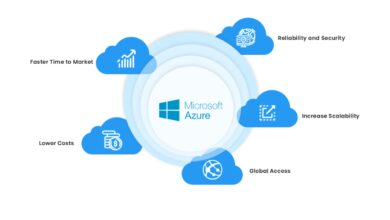
One of the most powerful aspects of msft azure is its ability to scale resources up or down based on demand. Whether handling seasonal traffic spikes or launching a new application, businesses can automatically adjust compute power, storage, and bandwidth. This elasticity ensures optimal performance without over-provisioning.
- Auto-scaling rules can be set based on CPU usage, memory, or network traffic.
- Supports both vertical and horizontal scaling strategies.
- Enables rapid deployment of global applications through regional data centers.
For example, a retail company can scale its e-commerce platform during Black Friday using Azure’s auto-scaling features, then scale back post-event to reduce costs. This level of flexibility is impossible with traditional server setups.
Cost Efficiency and Pay-as-You-Go Model
msft azure operates on a consumption-based pricing model, meaning you only pay for what you use. This eliminates the need for large upfront investments in hardware and reduces waste from underutilized resources. Additionally, Azure offers reserved instances and hybrid benefits that can reduce costs by up to 80% compared to on-premise solutions.
- No long-term contracts required for most services.
- Transparent pricing calculator available at Azure Pricing Calculator.
- Hybrid Use Benefit allows Windows Server license holders to save on VM costs.
“With Azure, our IT budget became more predictable and significantly lower.” — CIO, Financial Services Firm
This financial agility is especially beneficial for startups and SMEs looking to innovate without heavy capital expenditure.
msft azure vs. Competitors: A Strategic Comparison
While Amazon Web Services (AWS) and Google Cloud Platform (GCP) are major players, msft azure holds a unique position in the market. Its integration with Microsoft’s ecosystem gives it a competitive edge, especially for organizations already using Microsoft products like Office 365, Dynamics 365, or Active Directory.
Integration with Microsoft Ecosystem
For enterprises deeply embedded in Microsoft technologies, msft azure offers unparalleled synergy. Azure Active Directory (Azure AD) integrates seamlessly with on-premise Active Directory, enabling single sign-on (SSO) across cloud and local applications. Similarly, Azure Logic Apps and Power Automate allow users to automate workflows across Microsoft 365, SharePoint, and Teams.
- Unified identity management reduces security risks and administrative overhead.
- Direct Connect options enable hybrid environments with low-latency links.
- Seamless migration paths for legacy .NET applications.
This tight integration reduces friction during cloud adoption and accelerates time-to-value.
Global Reach and Data Center Presence
msft azure operates in 60+ regions worldwide, more than any other cloud provider. This extensive footprint ensures low latency, compliance with local data regulations, and high availability. For multinational corporations, this means they can deploy applications closer to end-users, improving performance and user experience.
- Regions span across North America, Europe, Asia-Pacific, Middle East, Africa, and South America.
- Compliance with GDPR, HIPAA, ISO 27001, and other global standards.
- Edge zones extend cloud capabilities to telecom networks for ultra-low latency.
Compare this to AWS’s 32 regions and GCP’s 40+, and Azure’s geographic advantage becomes clear. Learn more at Azure Global Infrastructure.
Security and Compliance in msft azure
In an era of rising cyber threats, security is non-negotiable. msft azure provides a robust, multi-layered security framework that protects data at rest, in transit, and during processing. Microsoft invests over $1 billion annually in cybersecurity research and employs more than 3,500 security experts.
Built-in Security Features
msft azure comes equipped with advanced security tools out of the box:
- Azure Security Center: Provides unified security management and advanced threat protection.
- Azure Defender: Extends protection to servers, containers, and SQL databases.
- Azure Key Vault: Safely stores and manages cryptographic keys and secrets.
- DDoS Protection: Mitigates distributed denial-of-service attacks automatically.
These tools work together to create a defense-in-depth strategy, minimizing the attack surface and enabling proactive threat detection.
Compliance and Certifications
msft azure meets more compliance standards than any other cloud provider, including:
- GDPR (General Data Protection Regulation)
- ISO/IEC 27001, 27017, 27018
- HIPAA (Health Insurance Portability and Accountability Act)
- SOC 1, SOC 2, SOC 3
- PCI DSS (Payment Card Industry Data Security Standard)
This makes it ideal for regulated industries such as healthcare, finance, and government. Organizations can leverage Azure’s compliance documentation to accelerate their own audits and certifications. Explore compliance details at Microsoft Compliance.
“Azure’s compliance framework gave us the confidence to migrate sensitive patient data to the cloud.” — CISO, Healthcare Provider
Innovation and Advanced Services in msft azure
msft azure isn’t just about infrastructure—it’s a platform for innovation. With cutting-edge services in AI, machine learning, IoT, and quantum computing, Azure empowers developers and data scientists to build next-generation applications.
Artificial Intelligence and Machine Learning
Azure offers a comprehensive suite of AI and ML tools:
- Azure Cognitive Services: Pre-built APIs for vision, speech, language, and decision-making.
- Azure Machine Learning: A full lifecycle platform for building, training, and deploying ML models.
- Bot Service: Create intelligent chatbots integrated with Microsoft Teams and other channels.
For example, a customer service company can deploy an AI-powered chatbot using Azure Bot Service and LUIS (Language Understanding) to handle thousands of inquiries daily, reducing response time and operational costs.
Internet of Things (IoT) and Edge Computing
msft azure supports large-scale IoT deployments through Azure IoT Hub, IoT Central, and Azure Sphere. These services enable secure connectivity, device management, and real-time analytics for millions of devices.
- Real-time monitoring of industrial equipment for predictive maintenance.
- Edge computing with Azure IoT Edge allows processing data locally before sending it to the cloud.
- Integration with Power BI for visualizing IoT data.
A manufacturing plant can use Azure IoT to monitor machine health, predict failures, and schedule maintenance—reducing downtime and saving millions annually.
Hybrid and Multi-Cloud Capabilities of msft azure
Not all organizations can move entirely to the cloud overnight. msft azure recognizes this and offers robust hybrid and multi-cloud solutions that bridge on-premise systems with cloud environments.
Azure Arc: Extend Cloud Management Anywhere
Azure Arc is a game-changer for hybrid IT. It allows organizations to manage servers, Kubernetes clusters, and data services across on-premise, edge, and multi-cloud environments—all from the Azure portal.
- Apply consistent policies and governance across environments.
- Use Azure Policy and Azure Monitor for centralized control.
- Deploy Azure services like SQL Managed Instance on non-Azure infrastructure.
This means a company running VMware in its data center can still leverage Azure’s management tools and security posture without migrating workloads.
Disaster Recovery and Backup with Azure Site Recovery
Data resilience is critical. msft azure provides Azure Site Recovery (ASR) to replicate on-premise virtual machines and physical servers to the cloud. In the event of a disaster, systems can be failover to Azure with minimal downtime.
- Supports VMware, Hyper-V, and physical servers.
- Automated failover and failback processes.
- Test failovers without impacting production.
This capability ensures business continuity and meets stringent RTO (Recovery Time Objective) and RPO (Recovery Point Objective) requirements.
Getting Started with msft azure: A Practical Guide
Starting with msft azure doesn’t require a massive team or budget. Microsoft provides tools and resources to help beginners and enterprises alike transition smoothly to the cloud.
Setting Up Your First Azure Account
The process is straightforward:
- Visit Azure Free Account and sign up with a Microsoft account.
- Receive $200 in credits valid for 30 days.
- Access over 25+ always-free services like Azure Functions, Blob Storage, and App Service.
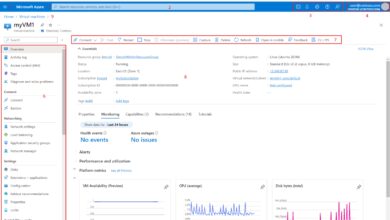
- Explore the Azure portal with its intuitive dashboard and resource management tools.
New users can experiment with core services without financial risk, making it ideal for learning and prototyping.
Essential Tools and Services for Beginners
For those new to msft azure, focus on these foundational services:
- Azure App Service: Host web apps and APIs without managing servers.
- Azure Blob Storage: Store unstructured data like images, videos, and backups.
- Azure Virtual Machines: Run Windows or Linux workloads in the cloud.
- Azure CLI and PowerShell: Automate tasks and manage resources programmatically.
Microsoft Learn offers free, interactive modules to get hands-on experience. Start at Microsoft Learn: Azure Fundamentals.
Real-World Use Cases of msft azure
The true value of msft azure is best understood through real-world applications. Across industries, organizations are leveraging Azure to solve complex challenges and drive innovation.
Healthcare: Accelerating Medical Research
A leading pharmaceutical company used msft azure to process genomic data for cancer research. By leveraging Azure Batch and Azure Machine Learning, they reduced analysis time from weeks to hours, accelerating drug discovery and clinical trials.
- Secure handling of sensitive patient data with HIPAA-compliant storage.
- Scalable compute for running complex simulations.
- Collaboration tools enabled global research teams to share insights in real time.
This case highlights how msft azure supports both compliance and high-performance computing in regulated environments.
Retail: Enhancing Customer Experience
A global retail chain deployed msft azure to power its AI-driven recommendation engine. Using Azure Cognitive Services and Azure Synapse Analytics, the system analyzes customer behavior and purchase history to deliver personalized product suggestions.
- Real-time analytics improved conversion rates by 18%.
- Scalable infrastructure handled peak holiday traffic.
- Integration with Dynamics 365 provided a unified view of customer data.
The result was a more engaging shopping experience and increased customer loyalty.
What is msft azure?
msft azure is Microsoft’s cloud computing platform that provides a wide range of services including computing, storage, networking, AI, and security. It enables businesses to build, deploy, and manage applications across a global network of data centers.
How does msft azure compare to AWS?
While AWS has a first-mover advantage, msft azure excels in hybrid cloud integration, enterprise support, and seamless connectivity with Microsoft products. Azure also offers more global regions and stronger compliance certifications.
Is msft azure secure?
Yes, msft azure is highly secure, featuring built-in tools like Azure Security Center, Azure Defender, and Azure Key Vault. It complies with major global standards including GDPR, HIPAA, and ISO 27001.
Can I use msft azure for free?
Yes, Microsoft offers a free account with $200 in credits for 30 days and access to over 25 always-free services. This allows users to explore core features without cost.
What industries benefit most from msft azure?
Industries such as healthcare, finance, retail, manufacturing, and government benefit significantly from msft azure due to its compliance, scalability, AI capabilities, and hybrid cloud support.
msft azure is more than just a cloud platform—it’s a catalyst for digital transformation. From its robust security and global reach to its innovative AI and hybrid capabilities, Azure empowers organizations to adapt, grow, and lead in a competitive landscape. Whether you’re a startup or a Fortune 500 company, msft azure offers the tools, scalability, and support needed to turn ideas into reality. The future of computing is in the cloud, and with msft azure, that future is already here.
Further Reading: