Want to sign in to Azure portal quickly and securely? Whether you’re a cloud newbie or an IT pro, this guide breaks down everything you need to know in simple, actionable steps—no jargon, just results.





Understanding the Azure Portal and Why You Need to Sign In

The Azure portal is Microsoft’s web-based interface for managing cloud services, virtual machines, storage, networking, and more. It’s the central hub where administrators, developers, and teams interact with their cloud infrastructure. To access these powerful tools, you must first sign in to Azure portal using valid credentials.
What Is the Azure Portal?
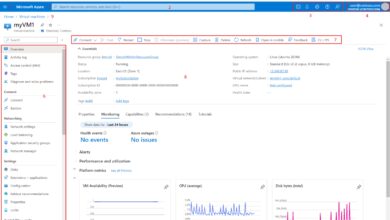
The Azure portal (portal.azure.com) is a unified console that provides a graphical user interface (GUI) to deploy, configure, and monitor resources in Microsoft Azure. Unlike command-line tools or APIs, the portal is designed for ease of use, making it ideal for users who prefer visual navigation over scripting.
- It supports over 200 services including Azure Virtual Machines, Azure SQL Database, and Azure Active Directory.
- The interface is customizable with dashboards, quickstart templates, and role-based access control (RBAC).
- Available globally with regional data centers ensuring low latency and compliance.
“The Azure portal is the front door to your cloud environment—secure access is not optional, it’s essential.” — Microsoft Azure Documentation
Why Signing In Is Critical for Cloud Management
Signing in authenticates your identity and authorizes access to your Azure subscriptions and resources. Without logging in, you can’t create, modify, or monitor any cloud assets. This step ensures that only authorized users interact with sensitive systems.
- Enables identity verification via Azure Active Directory (Azure AD).
- Grants access based on assigned roles and permissions.
- Logs all activities for auditing and compliance (e.g., GDPR, HIPAA).
Step-by-Step Guide to Sign In to Azure Portal
Signing in doesn’t have to be complicated. Follow these clear steps to gain access to your Azure environment in minutes. This process applies whether you’re using a personal Microsoft account or an organizational work/school account.
Navigate to the Official Azure Portal URL
The first step to sign in to Azure portal is visiting the correct website. Always use the official URL to avoid phishing scams or fake login pages.
- Open your preferred browser (Chrome, Edge, Firefox, or Safari).
- Type portal.azure.com directly into the address bar.
- Avoid clicking on search engine ads—stick to the direct link for security.
Tip: Bookmark portal.azure.com for faster access in the future.
Enter Your Credentials Correctly
Once on the login page, enter the email address associated with your Azure subscription. This could be:
- A work or school account (e.g., user@company.com managed by Azure AD).
- A personal Microsoft account (e.g., @outlook.com, @hotmail.com) if used for Azure.
After entering your email, click “Next.” Then input your password. Make sure Caps Lock is off and your keyboard layout is correct, especially if using non-English characters.
Complete Multi-Factor Authentication (MFA)
For enhanced security, most organizations require MFA. After entering your password, you’ll be prompted to verify your identity through a second method:
- Phone call or text message to a registered mobile number.
- Notification via the Microsoft Authenticator app.
- Security key (like YubiKey) or biometric verification.
Approve the request on your device or enter the code received. Only after successful MFA will you gain access to the portal.
Common Issues When Trying to Sign In to Azure Portal
Even with the right credentials, users often face obstacles when trying to sign in to Azure portal. Understanding these common problems can save time and frustration.
Incorrect Username or Password Errors
This is the most frequent issue. Causes include:
- Typographical errors in the email or password.
- Using the wrong account type (personal vs. work/school).
- Password expiration—many corporate policies require periodic changes.
Solution: Use the “Forgot password?” link to reset your credentials. Ensure you’re selecting the correct account type during login.
Account Locked or Disabled
If you’ve entered incorrect details too many times, Azure may temporarily lock your account. Additionally, your administrator might have disabled your account due to inactivity or policy violations.
sign in to azure portal – Sign in to azure portal menjadi aspek penting yang dibahas di sini.
- Wait 15–30 minutes for automatic unlock (varies by policy).
- Contact your Azure AD administrator to check account status.
- Verify if your license or subscription has expired.
MFA and Authentication App Problems
Users often struggle with MFA setup or device synchronization. Common issues include:
- Not receiving push notifications on the Microsoft Authenticator app.
- Lost or replaced phone without backup codes.
- Time drift between device clock and server affecting TOTP codes.
Solution: Re-sync the authenticator app or use backup authentication methods. Always store recovery codes in a secure location.
Using Different Account Types to Sign In to Azure Portal
Microsoft supports multiple account types for signing in. Knowing which one applies to you ensures a smoother login experience.
Work or School Accounts (Azure AD)
These are organizational accounts managed by your company or institution through Azure Active Directory. They offer centralized identity management and are the most common for enterprise users.
- Admins can enforce policies like MFA, conditional access, and sign-in frequency.
- Email format usually matches your organization’s domain (e.g., john@contoso.com).
- Access is tied to your job role and assigned Azure roles (e.g., Contributor, Reader).
To sign in to Azure portal with a work account, select “Work or school account” on the login screen.
Personal Microsoft Accounts (MSA)
If you’re using Azure for personal projects or learning, you might use a personal Microsoft account (e.g., @outlook.com). While less common in enterprise settings, MSAs are valid for Azure sign-ins.
- Typically used for free trials or pay-as-you-go subscriptions.
- Less administrative control compared to Azure AD.
- Can be upgraded to an organizational account later.
When logging in, choose “Personal account” to proceed with MSA authentication.
Guest User Access (B2B Collaboration)
Azure supports external collaboration through Azure AD B2B. Guests from partner organizations can sign in to Azure portal with their own credentials.
- No need to create new accounts—invitations are sent via email.
- Access is scoped to specific resources or subscriptions.
- Guests retain their home organization’s identity and security policies.
This feature enhances teamwork while maintaining security boundaries.
Security Best Practices After You Sign In to Azure Portal
Signing in is just the beginning. Once inside, protecting your session and resources is crucial. Cyber threats often target authenticated users, so follow these best practices.
Enable Multi-Factor Authentication (MFA)
MFA is one of the most effective ways to secure your account. Even if your password is compromised, attackers can’t access your account without the second factor.
- Go to Azure AD > Security > Multi-Factor Authentication to configure.
- Enforce MFA for all users, especially administrators.
- Use phishing-resistant methods like FIDO2 security keys when possible.
According to Microsoft, accounts with MFA enabled are over 99.9% less likely to be compromised.
Use Role-Based Access Control (RBAC)
RBAC limits user permissions to only what they need. This principle of least privilege reduces the risk of accidental or malicious changes.
- Assign built-in roles like Owner, Contributor, or Reader based on responsibility.
- Create custom roles for granular control.
- Regularly review access assignments using Azure AD Access Reviews.
Monitor Sign-In Activity and Alerts
Azure provides detailed logs of all authentication attempts. Use Azure Monitor and Azure AD Sign-In Logs to detect suspicious behavior.
- Check for sign-ins from unusual locations or devices.
- Set up alerts for failed login attempts or admin privilege changes.
- Integrate with Microsoft Defender for Cloud for advanced threat detection.
Advanced Access Methods: Beyond the Standard Sign-In
While the standard web login is common, advanced users and organizations often require alternative methods to sign in to Azure portal for automation, security, or integration purposes.
sign in to azure portal – Sign in to azure portal menjadi aspek penting yang dibahas di sini.
Using Azure CLI and PowerShell for Authentication
For developers and DevOps teams, command-line tools offer programmatic access. You can authenticate using:
az loginin Azure CLI, which opens a browser for interactive sign-in.Connect-AzAccountin PowerShell.- Service principals for non-interactive scripts (ideal for CI/CD pipelines).
These tools sync with your Azure session and allow management without using the portal UI.
Single Sign-On (SSO) Integration
Large enterprises use SSO to streamline access across multiple applications. Azure supports SSO via:
- SAML 2.0 or OpenID Connect with identity providers like Okta, PingIdentity, or AD FS.
- Password hash synchronization or pass-through authentication.
- Seamless SSO for domain-joined devices.
Once configured, users can sign in to Azure portal automatically after logging into their corporate network.
Conditional Access Policies
These are rules set by administrators to control how and when users can access Azure. For example:
- Require MFA from untrusted networks.
- Block access from certain countries or devices.
- Enforce compliant device status (e.g., encrypted, up-to-date OS).
These policies enhance security without sacrificing usability.
Troubleshooting and Recovery: What to Do If You Can’t Sign In
Even with best practices, issues happen. Here’s how to recover when you can’t sign in to Azure portal.
Reset Your Password Using Self-Service Options
If you’ve forgotten your password, use the “Forgot password?” link on the login screen. The process varies by account type:
- For work accounts: Follow your organization’s password reset policy (may require admin approval).
- For personal accounts: Verify identity via email, phone, or security questions.
- Ensure your contact info is up to date in Azure AD Profile.
Contact Your Azure Administrator for Help
If self-service doesn’t work, reach out to your IT department or Azure subscription owner. They can:
- Reset your password manually.
- Reactivate a disabled account.
- Grant temporary elevated access for troubleshooting.
Always provide your full email and subscription details to speed up support.
Use Emergency Access Accounts (Break-Glass Accounts)
Organizations should maintain break-glass accounts—privileged accounts reserved for emergencies. These are:
- Highly secured (offline, MFA-only, no conditional access).
- Used only when primary admin access is compromised.
- Monitored and audited strictly.
Never use break-glass accounts for daily tasks—reserve them for true emergencies.
Optimizing Your Azure Portal Experience After Signing In
Once you’ve successfully sign in to Azure portal, optimize your workflow for efficiency and clarity.
Customize Your Dashboard
The Azure dashboard is fully customizable. Pin frequently used resources, charts, and quick actions.
sign in to azure portal – Sign in to azure portal menjadi aspek penting yang dibahas di sini.
- Click “Edit” to add tiles for VMs, databases, or cost analysis.
- Share dashboards with team members for consistent monitoring.
- Use saved queries in Log Analytics for faster insights.
Leverage Quick Start Templates
Azure offers hundreds of deployment templates to automate resource creation. Instead of building from scratch:
- Browse templates in the Azure Marketplace.
- Deploy with one click or customize JSON parameters.
- Save your own templates for reuse.
Set Up Cost Management and Alerts
Cloud costs can spiral without oversight. Use Azure Cost Management + Billing to:
- Track spending by resource, department, or tag.
- Set budget thresholds with email or SMS alerts.
- Identify idle or underutilized resources for shutdown.
This ensures financial accountability and prevents billing surprises.
How do I sign in to Azure portal?
To sign in to Azure portal, go to portal.azure.com, enter your work/school or personal Microsoft account, input your password, and complete multi-factor authentication if required.
What should I do if I forget my Azure password?
If you forget your password, click “Forgot password?” on the login screen. Follow the prompts to reset it using your recovery email, phone, or security questions. For work accounts, contact your administrator if self-service isn’t enabled.
Can I use MFA with a personal Microsoft account in Azure?
Yes, you can and should enable MFA for personal Microsoft accounts used with Azure. Visit account.microsoft.com, go to Security, and set up two-step verification using an authenticator app, phone, or email.
Why am I unable to sign in to Azure portal despite correct credentials?
This could be due to account lockout, expired password, MFA failure, or conditional access policies blocking your sign-in. Check Azure AD sign-in logs or contact your administrator for diagnostics.
How can I access Azure portal from a mobile device?
You can access the Azure portal from any modern mobile browser by visiting portal.azure.com. For better experience, download the Microsoft Azure app from the App Store or Google Play.
Signing in to Azure portal is the gateway to managing your cloud infrastructure. From navigating the login page to troubleshooting access issues, this guide has covered every critical step. Whether you’re a beginner or an expert, following best practices like enabling MFA, using RBAC, and monitoring sign-in activity ensures secure and efficient cloud operations. Remember, the key to mastering Azure starts with a single, secure login.
sign in to azure portal – Sign in to azure portal menjadi aspek penting yang dibahas di sini.
Recommended for you 👇
Further Reading: